Euro America Windows

Blog

Your blog category

Blog

Smart Glass Technology: Is It Worth the Investment?

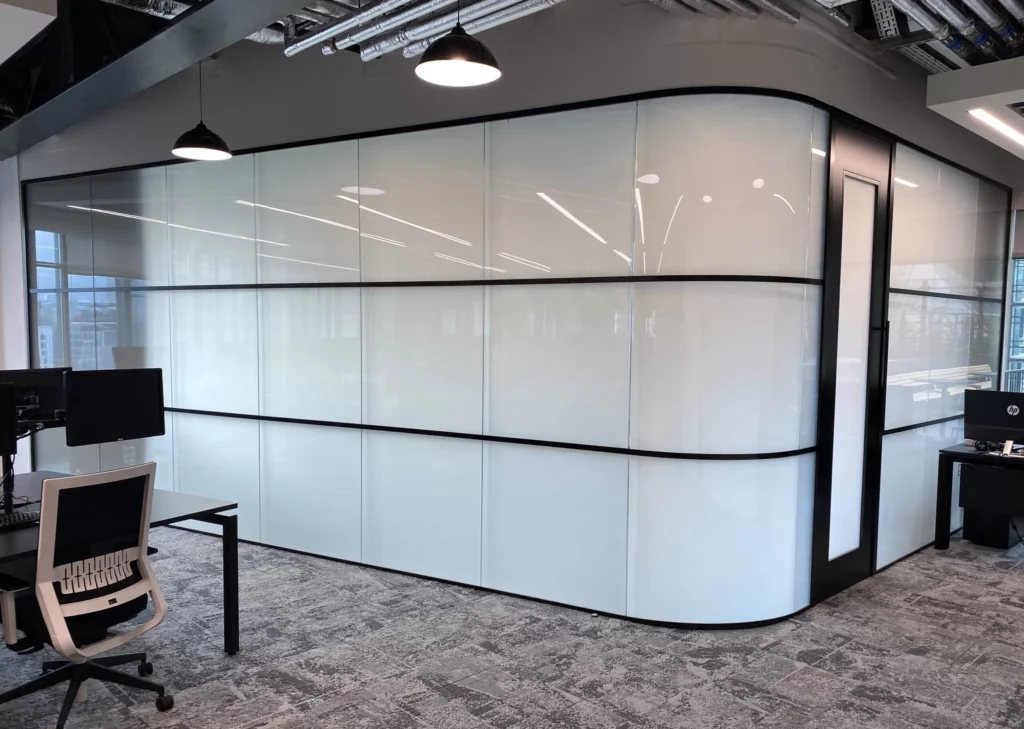
Smart glass technology has rapidly gained attention in modern architecture for its ability to control light transmission, privacy, and energy performance. Also known as switchable or dynamic glass, smart glass can transition between transparent, translucent, or opaque states at the touch of a button or via automated systems. This innovative technology is revolutionizing building design, offering both functional and aesthetic benefits. How Smart Glass Works Smart glass operates using technologies such as electrochromic, photochromic, or suspended particle devices (SPD). Electrochromic glass: Changes opacity when an electrical charge is applied. Photochromic glass: Reacts to sunlight intensity, automatically adjusting tint. Suspended particle devices: Align or scatter microscopic particles to control light and heat. These technologies allow building occupants to adjust natural light levels, reduce glare, and maintain privacy without the need for blinds or shades. Benefits of Smart Glass Energy Efficiency: By controlling solar heat gain and reducing reliance on HVAC systems, smart glass minimizes energy consumption. This makes it a strategic investment for sustainable buildings and reduces operational costs over time. Enhanced Privacy: Occupants can switch glass from transparent to opaque instantly, improving privacy without compromising design aesthetics. Comfort and Productivity: Adjustable light levels reduce glare and eye strain, creating more comfortable environments that enhance occupant focus and productivity. Modern Aesthetics: Smart glass adds a sleek, futuristic appearance to buildings, making it a compelling choice for commercial, residential, and luxury spaces. Applications in Modern Buildings Smart glass is versatile and can be integrated into windows, partitions, skylights, and façades. In offices, it allows conference rooms to maintain an open feel while offering instant privacy when needed. In healthcare, it provides patient confidentiality while maintaining a visually open environment. Residential applications include enhanced home privacy and energy savings, particularly in high-rise apartments and luxury homes. Considerations and ROI The primary consideration for smart glass is cost, as it is more expensive than traditional glazing. However, when evaluated alongside energy savings, reduced maintenance of blinds, and increased building value, smart glass can provide a positive return on investment. Developers should also consider integration with building automation systems to maximize functionality and efficiency. Environmental Impact Smart glass contributes to sustainability goals by reducing energy consumption, minimizing artificial lighting needs, and improving thermal performance. Buildings using smart glass can achieve higher green building certification scores, showcasing environmental responsibility and innovation. Conclusion Investing in smart glass technology offers numerous benefits, including energy efficiency, privacy, occupant comfort, and modern aesthetics. While initial costs may be higher, the long-term advantages and contribution to sustainable building design make it a worthwhile investment. Developers and architects seeking high-performance, future-ready buildings should consider integrating smart glass solutions. For more information on smart glass technology and dynamic glazing solutions, visit Euro America Windows.

Blog

How Glass Façades Impact Employee Productivity in Office Buildings

In modern office design, the architecture of a building is no longer just about aesthetics; it directly influences the productivity, health, and satisfaction of employees. Among the most transformative design choices, glass façades have become a hallmark of contemporary commercial buildings. Not only do they create visually striking exteriors, but they also provide significant functional benefits that can enhance employee performance. Understanding these advantages is crucial for developers, architects, and facility managers aiming to foster optimal workplace environments. Maximizing Natural Light One of the most well-documented benefits of glass façades is their ability to flood interior spaces with natural light. Traditional office buildings with opaque walls and small windows often rely heavily on artificial lighting, which can cause eye strain, headaches, and fatigue. Studies consistently show that access to natural light improves mood, reduces stress, and boosts energy levels. By integrating expansive glass façades, office interiors can receive ample daylight, creating a more invigorating and productive atmosphere for employees. The impact of natural light on workplace productivity extends beyond physical comfort. Circadian rhythm alignment, supported by daylight exposure, helps regulate sleep cycles, mental alertness, and overall well-being. Employees who work in well-lit, naturally illuminated spaces are more likely to stay focused, make fewer errors, and report higher satisfaction with their work environment. Incorporating glass façades, therefore, directly supports both mental and physiological health, contributing to a more engaged workforce. Enhancing Visual Connectivity and Engagement Glass façades offer more than just lighting benefits; they also create a sense of openness and connectivity. Transparent or semi-transparent façades allow employees to see outside, connect with the surrounding environment, and even glimpse colleagues across different areas of the office. This visual connectivity reduces feelings of isolation, promotes collaboration, and fosters a sense of community within the workplace. Modern offices increasingly prioritize interaction and engagement among teams. Glass walls and façades subtly encourage movement and communication, as employees can observe each other’s activities without barriers. This openness can lead to spontaneous discussions, idea sharing, and cross-department collaboration, all of which are vital for creative problem-solving and innovation. Thermal Comfort and Energy Efficiency A common concern about glass façades is their impact on building temperature and energy use. When designed and installed correctly, glass façades can offer excellent thermal performance, balancing heat gain and insulation. Advanced glazing technologies, such as double or triple-pane glass and low-emissivity coatings, help maintain comfortable indoor temperatures while reducing reliance on heating and cooling systems. This thermal comfort is crucial for employee productivity. Work environments that are too hot or too cold can distract employees, lower concentration, and reduce overall efficiency. By integrating high-performance glass façades, commercial buildings can provide consistent, comfortable conditions, ensuring employees remain focused and productive throughout the workday. Acoustics and Distraction Reduction Glass façades are often combined with sound-insulating materials to minimize external noise intrusion. Urban office locations frequently face challenges such as traffic, construction, or nearby events, which can disrupt concentration. High-quality glass façades, particularly those with acoustic lamination, significantly reduce these disturbances, allowing employees to work in quieter, more focused environments. The reduction in noise contributes not only to productivity but also to employee well-being. Constant exposure to high noise levels is associated with stress and fatigue, while controlled acoustic environments support sustained attention, better decision-making, and enhanced creativity. Psychological and Aesthetic Benefits The visual appeal of glass façades goes beyond function. Transparent and reflective surfaces create a sense of modernity, sophistication, and openness that can positively influence employee perception and motivation. Attractive workspaces are linked to higher morale, increased retention, and improved employer branding. Employees take pride in working within buildings that feel contemporary, light-filled, and thoughtfully designed, further reinforcing their engagement and productivity. Glass façades also allow for views of the surrounding environment, which is critical for mental restoration. Studies in environmental psychology suggest that having visual access to nature or urban landscapes reduces stress, refreshes cognitive resources, and enhances overall job satisfaction. Providing such visual stimuli through well-designed glass façades can support sustainable employee performance over the long term. Considerations for Implementation To fully leverage glass façade benefits, proper planning and design are essential. Architects and developers must consider factors such as orientation, shading, glare control, and energy performance. Tools like daylight simulation and thermal modeling can ensure façades deliver maximum light without excessive heat gain or glare, creating optimal conditions for employees. Moreover, selecting high-quality materials, maintaining façades regularly, and integrating features such as automated blinds or smart glass can enhance both comfort and operational efficiency. Thoughtful façade design balances transparency, privacy, and sustainability, ensuring that employees gain the most from their environment. Conclusion Glass façades are more than an architectural trend; they are a strategic choice that directly impacts employee productivity in office buildings. By maximizing natural light, promoting visual connectivity, ensuring thermal comfort, controlling noise, and delivering aesthetic and psychological benefits, glass façades provide measurable advantages to both employees and organizations. Developers, architects, and facility managers who invest in high-quality, well-designed glass façades are likely to see enhanced employee satisfaction, reduced absenteeism, and improved overall performance. For more insights on designing high-performing commercial buildings with advanced glazing solutions, visit Euro America Windows.

Blog

Passive House Standards and Modern Window Technology

Passive house standards represent one of the most rigorous benchmarks for energy efficiency in modern building design. Originating in Germany, the passive house concept emphasizes minimal energy consumption for heating and cooling while maintaining superior indoor comfort. A critical element in achieving these standards is the selection and integration of high-performance windows. Understanding how passive house windows contribute to energy efficiency, comfort, and sustainability is essential for architects, builders, and developers. The Importance of Windows in Passive House Design Windows are often the most vulnerable points in a building envelope, with the potential for heat loss, air leakage, and solar heat gain. In passive house design, windows are engineered to maximize thermal insulation while allowing for controlled natural light and ventilation. The right selection of passive house windows ensures that the building maintains stable indoor temperatures with minimal reliance on mechanical systems. Features of Passive House Windows High-performance passive house windows incorporate advanced glazing, multi-pane construction, and insulating frames. Common features include: Triple or double glazing: Enhances thermal insulation and reduces heat loss. Low-emissivity coatings: Reflect heat back into the room during winter while limiting solar heat gain in summer. Thermal breaks in frames: Prevent cold bridges and maintain consistent indoor temperatures. Airtight seals: Minimize air infiltration to reduce energy loss. These features work together to maintain energy-efficient performance without compromising daylight or aesthetic appeal. Energy Efficiency Benefits Passive house windows dramatically reduce energy consumption by minimizing heat transfer between the interior and exterior. Properly designed windows limit the need for heating in winter and cooling in summer, lowering energy costs and carbon footprint. Buildings meeting passive house standards often achieve energy savings of up to 90% compared to conventional constructions, demonstrating the importance of window technology in sustainable architecture. Enhancing Indoor Comfort Beyond energy savings, passive house windows improve occupant comfort. They help maintain even temperatures across rooms, reduce drafts, and minimize cold spots near window areas. Additionally, high-performance windows provide excellent acoustic insulation, reducing noise from outside and creating a serene indoor environment. These factors enhance productivity, well-being, and satisfaction for building occupants. Integration with Modern Technology Modern passive house windows often incorporate smart technologies to further optimize performance. Automated shading systems, low-maintenance coatings, and dynamic ventilation options allow buildings to adjust to changing environmental conditions. Smart windows can regulate solar gain, reduce glare, and improve indoor air quality, seamlessly integrating with other building management systems for optimal efficiency. Compliance and Certification Meeting passive house certification requires strict adherence to energy performance standards. Windows are tested for U-values, solar heat gain coefficients, airtightness, and overall durability. Selecting certified passive house windows ensures that the building will qualify for certification and maintain long-term performance. For developers, this certification adds credibility and marketability, demonstrating a commitment to sustainability and occupant comfort. Environmental and Economic Advantages In addition to energy efficiency and comfort, passive house windows contribute to broader environmental and economic benefits. Reduced energy consumption lowers greenhouse gas emissions, supporting environmental sustainability goals. Over the lifespan of a building, energy savings translate into significant cost reductions, providing an excellent return on investment for developers and owners. Conclusion Passive house standards set a high bar for energy efficiency and occupant comfort, and modern window technology is essential for achieving these goals. High-performance passive house windows offer superior insulation, airtightness, and sustainable performance, making them a cornerstone of energy-efficient building design. Developers, architects, and engineers who prioritize passive house windows ensure that buildings are not only environmentally responsible but also comfortable, quiet, and highly efficient. For more information on passive house windows and energy-efficient solutions, visit Euro America Windows.

Blog

How Wind Load Requirements Influence Window Selection

When designing high-rise and coastal buildings, wind load is a critical factor that influences structural integrity and occupant safety. Windows, as integral parts of the building envelope, must be carefully selected to withstand wind pressures, prevent air infiltration, and maintain long-term performance. Understanding how wind load requirements affect window selection is essential for architects, engineers, and developers focused on high-performance construction. Understanding Wind Load Wind load refers to the force exerted by wind on a building or its components. The magnitude of this load depends on factors such as building height, geographic location, exposure category, and aerodynamic shape. Windows on high-rise buildings or structures in hurricane-prone areas face significantly higher pressures than those on low-rise or sheltered sites. Selecting windows that can resist these forces is critical to prevent structural failure, glass breakage, and potential hazards to occupants. Structural Requirements for Windows Windows designed for high wind load areas are engineered with reinforced frames, multi-pane glazing, and advanced locking mechanisms. Materials such as aluminum, steel, or reinforced uPVC provide the necessary strength to withstand lateral forces without deformation. Additionally, laminated or tempered glass ensures that, if breakage occurs, it does not create dangerous shards, protecting building occupants. Performance Testing and Standards Industry standards, such as ASTM, ISO, and local building codes, define testing methods for wind load resistance. Windows are tested for structural integrity, water penetration, and air leakage under simulated high-pressure conditions. Compliance with these standards guarantees that the window will perform safely under real-world wind conditions, providing both security and peace of mind for developers and tenants. Impact on Energy Efficiency High wind loads can compromise the thermal performance of windows. Air infiltration through poorly designed windows increases HVAC loads, reduces occupant comfort, and raises energy costs. Wind-resistant windows feature airtight seals and insulated frames that prevent drafts, maintaining thermal efficiency even under extreme wind conditions. This ensures that buildings remain energy-efficient without sacrificing safety. Considerations for Design and Aesthetics While strength and durability are paramount, modern windows must also meet aesthetic and daylighting requirements. Advanced engineering allows high-performance windows to maintain slim profiles and maximize transparency, combining safety with visual appeal. Developers can achieve both regulatory compliance and striking building exteriors without compromise. Importance in Coastal and High-Rise Buildings Buildings in coastal regions or high-rise towers experience higher wind pressures due to elevation and exposure. Selecting wind-resistant windows is not optional; it is a safety imperative. Proper window selection mitigates risks from storms, hurricanes, and extreme weather events, ensuring that the building’s envelope performs reliably and occupants remain safe. Maintenance and Longevity Wind-resistant windows are designed for long-term performance with minimal maintenance. Quality frames, glazing, and seals reduce wear and tear from environmental exposure. Regular inspections and proper installation further extend the lifespan of these windows, making them a cost-effective investment over the building’s lifecycle. Conclusion Wind load requirements are a decisive factor in selecting windows for high-rise and coastal buildings. By prioritizing structural strength, energy efficiency, and compliance with industry standards, developers and architects can ensure that windows perform safely under extreme conditions. Advanced wind-resistant windows protect occupants, maintain thermal comfort, and enhance building aesthetics, making them essential for modern, high-performance construction. For expert guidance on selecting windows for high wind load areas, visit Euro America Windows.

Blog

How Luxury Resorts Use Glass and Aluminum Systems

Luxury resorts aim to deliver unparalleled experiences through both design and functionality. Glass and aluminum systems are essential in achieving these goals, offering durability, aesthetic appeal, and high performance. These systems enable resorts to create open, light-filled spaces that connect guests with natural surroundings while providing comfort and sustainability. Maximizing Views and Natural Light One of the primary benefits of glass systems in resorts is the ability to maximize scenic views and natural light. Floor-to-ceiling glazing and panoramic windows allow guests to enjoy landscapes, oceans, and mountains, creating a sense of openness and luxury. Aluminum frames provide structural support while maintaining sleek, unobtrusive lines, enhancing the visual appeal of these expansive windows. Durability and Low Maintenance Resorts face exposure to harsh environmental conditions, including humidity, salt air, wind, and UV radiation. Aluminum systems offer corrosion resistance, strength, and minimal maintenance, making them ideal for coastal or tropical locations. Combined with high-performance glazing, these systems ensure long-lasting durability and functionality. Energy Efficiency and Comfort Luxury resorts prioritize guest comfort and sustainability. Modern glass and aluminum systems integrate thermal breaks, low-emissivity coatings, and insulated glazing to maintain indoor temperature stability. This reduces energy consumption for heating and cooling while enhancing occupant comfort, aligning with green building standards and sustainable operations. Acoustic Control Privacy and tranquility are essential in luxury resorts. Laminated or multi-pane glazing integrated into aluminum frames provides excellent sound insulation, reducing noise from external environments such as traffic, wildlife, or neighboring rooms. Acoustic performance contributes to a relaxing and enjoyable guest experience. Design Flexibility and Aesthetics Aluminum systems offer flexibility in frame design, color, and finish, allowing resorts to achieve unique architectural aesthetics. Coupled with glass systems, they support modern, minimalist, or iconic resort designs. The combination of materials allows architects to create visually stunning façades that appeal to high-end clientele. Integration with Outdoor Spaces Glass and aluminum systems facilitate seamless integration with outdoor spaces, such as terraces, pools, and gardens. Sliding doors, retractable walls, and large glazing panels blur the line between interior and exterior, enhancing the guest experience. These design elements promote natural ventilation and daylight while maintaining structural integrity. Sustainability and Certification Many luxury resorts seek environmental certifications such as LEED or WELL. High-performance glass and aluminum systems contribute to energy efficiency, sustainable material use, and occupant comfort, supporting these certification goals. Implementing advanced façade systems aligns resort operations with modern sustainability expectations. Conclusion Glass and aluminum systems are central to luxury resort design, providing durability, energy efficiency, aesthetic flexibility, and acoustic performance. These systems enhance guest experiences by maximizing natural light, views, and comfort while supporting sustainable practices. Architects and developers who invest in high-performance glazing and aluminum solutions create resorts that are both visually stunning and functionally superior. For more insights on glass and aluminum systems in luxury resorts, visit Euro America Windows.

Blog

How Modern Glazing Supports ESG Building Goals

Environmental, Social, and Governance (ESG) initiatives have become central to modern building design, influencing investment decisions, regulatory compliance, and corporate responsibility. Modern glazing technologies play a vital role in supporting ESG goals by improving energy efficiency, occupant comfort, and sustainability. Developers, architects, and facility managers increasingly recognize the importance of high-performance glazing in achieving ESG objectives. Energy Efficiency and Sustainability High-performance glazing reduces heat transfer and optimizes daylighting, directly lowering energy consumption for heating, cooling, and lighting. By minimizing energy use, buildings reduce greenhouse gas emissions, contributing to environmental sustainability. Energy-efficient glazing is a key component of ESG-compliant buildings, helping developers meet both regulatory standards and investor expectations. Enhancing Occupant Comfort Modern glazing improves thermal and visual comfort, supporting the “Social” aspect of ESG. Well-lit, temperature-controlled spaces enhance productivity, health, and overall well-being. Glass solutions that control glare, maintain consistent indoor temperatures, and reduce external noise create healthier work and living environments, aligning with ESG principles focused on human-centric design. Sustainable Materials and Lifecycle Management Glazing products that incorporate recycled or low-impact materials contribute to sustainability and resource efficiency. Durable glazing systems reduce maintenance and replacement needs, extending lifecycle performance and minimizing environmental impact. By choosing sustainable materials, developers support ESG objectives while ensuring long-term building performance. Supporting Governance and Compliance High-performance glazing also aligns with governance standards by enabling buildings to achieve certifications such as LEED, BREEAM, or WELL. These certifications demonstrate adherence to environmental and social responsibilities, enhancing transparency, credibility, and investor confidence. Proper documentation and specification of glazing solutions help organizations comply with ESG reporting requirements. Integration with Renewable Energy Systems Glazing can be integrated with renewable energy technologies, such as photovoltaic glass or solar shading devices, further reducing energy demand and supporting net-zero targets. Smart glazing systems allow dynamic control of light and heat, improving efficiency and enabling buildings to adapt to changing environmental conditions. Aesthetic and Market Advantages Buildings that integrate ESG-focused glazing solutions are increasingly attractive to tenants, investors, and occupants who prioritize sustainability and responsible design. Modern glazing enhances visual appeal while delivering tangible environmental and social benefits, making these buildings more competitive in the marketplace. Conclusion Modern glazing is a critical enabler of ESG building goals, combining energy efficiency, occupant comfort, sustainability, and governance compliance. By investing in high-performance glazing, developers and architects create environmentally responsible, socially supportive, and well-managed buildings that meet the expectations of modern stakeholders. Glazing solutions not only reduce operational costs but also enhance the long-term value and reputation of properties. For more insights on glazing solutions that support ESG initiatives, visit Euro America Windows.

Blog

Comparing Thermal Break vs Standard Frames: Benefits Explained

When it comes to choosing windows for your home or business, one crucial decision revolves around the type of frame you select. Among the most discussed options are thermal break frames and standard frames. While both serve the same purpose of holding the glass in place, their features and benefits differ significantly. In this guide, we’ll compare thermal break windows vs. standard frames, focusing on how each impacts energy efficiency, comfort, and long-term savings. What is a Thermal Break Frame? A thermal break frame is designed with a barrier material inserted between the inner and outer sections of the frame. This insulating material, often made from plastic or rubber, reduces the transfer of heat or cold between the two sides. As a result, thermal break windows prevent heat loss in the winter and keep the interior cool during the summer. What is a Standard Frame? In contrast, a standard frame typically uses metal, which does not offer the same insulation properties as thermal break frames. Standard frames can conduct heat and cold more easily, which might lead to temperature fluctuations inside your space. While less expensive, they can be less energy-efficient than thermal break frames. Key Benefits of Thermal Break Windows Improved Energy Efficiency: Thermal break frames are excellent at reducing heat transfer. This leads to lower energy consumption and can significantly reduce your heating and cooling costs. In contrast, standard frames, especially metal ones, allow for higher energy loss, requiring more energy to maintain your home’s temperature. Enhanced Comfort: Since thermal break frames reduce temperature variations inside your home, they create a more consistent and comfortable environment. With standard frames, you’re likely to experience drafts and fluctuations in temperature, which can be uncomfortable. Reduced Condensation: Another major advantage of thermal break frames is their ability to prevent condensation on windows. Since these frames prevent the cold from reaching the interior surface, the risk of condensation is minimized. Standard frames, on the other hand, often experience condensation, leading to potential mold growth or damage to window sills. Better Sound Insulation: Thermal break frames also provide an additional layer of insulation against outside noise, making them ideal for urban areas or noisy environments. Standard frames, being less effective in blocking noise, may not offer the same level of soundproofing. Benefits of Standard Frames Lower Initial Cost: Standard frames are generally more affordable upfront than thermal break frames. If you’re on a tight budget, this might seem like an appealing option. Durability: Standard frames, especially those made of metal, are often more durable and less prone to wear and tear. They are less likely to expand or contract with temperature changes, making them more stable in certain conditions. Simpler Construction: With fewer materials involved in the construction of standard frames, they are simpler to manufacture. This can lead to quicker installation and, in some cases, easier maintenance. Conclusion: Which is the Best Choice for You? Ultimately, the choice between thermal break windows vs standard frames comes down to your priorities. If you’re looking for long-term energy savings, enhanced comfort, and improved performance, thermal break frames are the superior option. However, if your budget is tight and you’re seeking a simple, durable solution, standard frames may meet your needs. By understanding the differences and benefits of each, you can make an informed decision that suits your home’s needs and your personal preferences.  

Energy-Efficient Doors & Windows for Lower Bills
Blog

Energy-Efficient Door & Window Solutions That Reduce Utility Bills

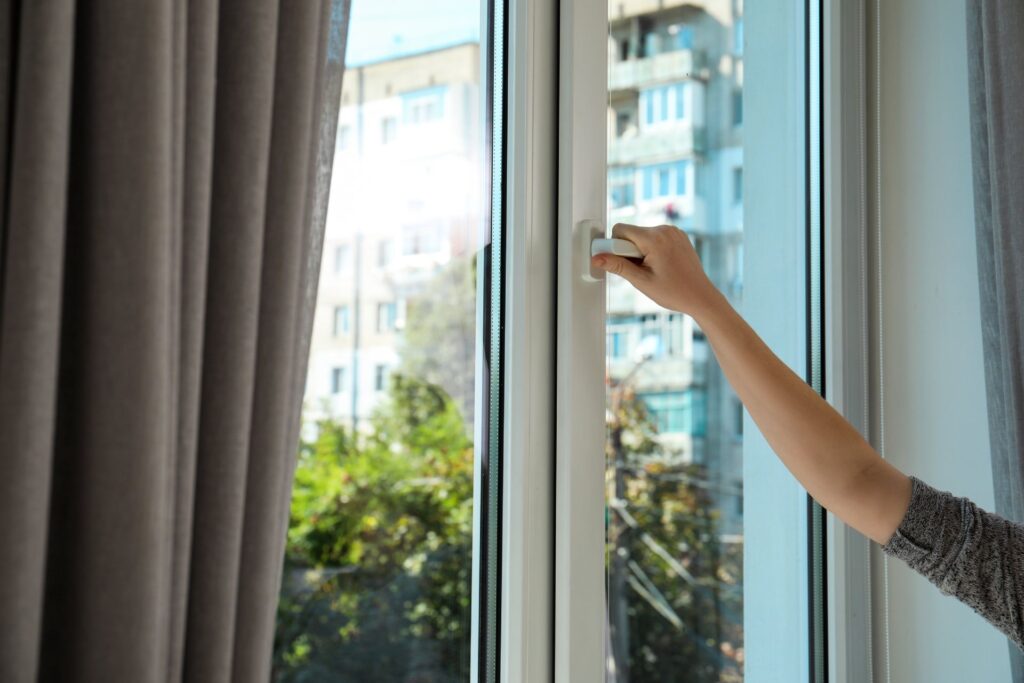
As the demand for sustainable living grows, energy-efficient door and window solutions are becoming an essential investment for homeowners looking to reduce utility bills while enhancing their living environment. These smart upgrades are designed to minimize heat loss in winter and keep cool air inside during the summer, ultimately leading to substantial savings on your energy costs. In this blog, we’ll explore how energy-efficient doors and windows work, their benefits, and how they can help reduce your monthly utility bills. What Are Energy-Efficient Doors and Windows? Energy-efficient doors and windows are specially designed to enhance the insulation of a home, preventing heat transfer between the interior and exterior of the building. These products feature advanced materials and technologies that improve thermal performance, keeping the indoor temperature consistent without relying heavily on heating or air conditioning systems. Key Features of Energy-Efficient Doors & Windows: Insulated Glass: Double or triple glazing options that trap air between layers, preventing heat from escaping. Low-E Coatings: Low-emissivity coatings are applied to glass to reflect infrared light, reducing heat transfer. Thermal Insulation Frames: Materials like vinyl, fiberglass, or thermally broken aluminum help prevent heat conduction through the window frame. Sealed Construction: Gaskets and weather stripping seal the frames to prevent drafts and leaks. How Energy-Efficient Doors & Windows Work Energy-efficient doors and windows feature multiple layers of glass with an insulating gas like argon or krypton between them, creating a barrier that reduces heat transfer. The low-emissivity (Low-E) coatings on the glass reflect heat back inside during the winter, while they reflect UV rays in the summer to keep the house cool. The frames are made of materials that are less prone to thermal conductivity, such as vinyl, fiberglass, or specially treated aluminum. This further enhances the insulating properties of these windows and doors. Additionally, high-quality seals around the frame prevent drafts and leaks, which can compromise the overall efficiency of your home. The Benefits of Energy-Efficient Doors & Windows Reduced Energy Bills One of the primary reasons homeowners opt for energy-efficient doors and windows is the potential savings on energy bills. By minimizing the need for heating and cooling, these upgrades help maintain a comfortable indoor temperature, reducing the workload on your HVAC system. As a result, you can expect a noticeable reduction in your monthly utility bills. In fact, studies have shown that energy-efficient windows can save homeowners up to 30% on their heating and cooling costs. Enhanced Comfort Energy-efficient doors and windows improve the overall comfort of your home. They maintain a consistent temperature inside, eliminating hot or cold spots near windows and doors. This creates a more comfortable living environment year-round, especially during extreme temperatures. Whether it’s the dead of winter or the peak of summer, energy-efficient solutions ensure your home remains comfortable without constantly adjusting the thermostat. Increased Property Value Investing in energy-efficient home upgrades like windows and doors can increase the resale value of your property. Potential buyers are often drawn to homes with energy-saving features, as they are seen as more sustainable and cost-effective in the long run. According to research, energy-efficient homes can sell for as much as 10-15% more than comparable homes without these upgrades. Environmental Impact By reducing your energy consumption, energy-efficient doors and windows contribute to lowering your carbon footprint. The less energy you use, the fewer greenhouse gases are emitted into the atmosphere. This is a crucial consideration for homeowners looking to reduce their environmental impact and live more sustainably. Better Sound Insulation Energy-efficient windows, particularly those with double or triple glazing, offer excellent soundproofing qualities. The air pockets between the glass layers act as a barrier to noise, making them ideal for homes located in busy areas or near highways. These windows help to create a quieter, more peaceful environment inside your home.   How to Choose the Best Energy-Efficient Doors & Windows When selecting energy-efficient doors and windows for your home, there are several factors to consider: Energy Star Rating Look for products that have earned the Energy Star certification, a label that indicates the product meets or exceeds energy efficiency guidelines set by the U.S. Environmental Protection Agency (EPA). Energy Star-rated doors and windows are designed to perform well in terms of insulation, UV protection, and air leakage control. Glazing Options As mentioned earlier, double or triple glazing is a must for optimal energy efficiency. Double-glazed windows consist of two layers of glass with a sealed air gap between them. Triple-glazed windows provide even better insulation with three layers of glass and two air gaps. The more layers, the better the insulation. Frame Material The material of the window or door frame plays a significant role in its overall performance. Some of the most popular energy-efficient materials include: Vinyl: Known for its excellent insulating properties and low maintenance. Fiberglass: Offers superior insulation and durability but may be more expensive. Wood: While natural wood provides good insulation, it requires more maintenance than vinyl or fiberglass. Aluminum with Thermal Breaks: While aluminum is a strong and durable option, it tends to conduct heat unless it has a thermal break, which reduces its ability to transfer heat. Low-E Glass Coatings Low-emissivity (Low-E) glass coatings are an essential feature in energy-efficient windows. These coatings reflect heat back into your home during winter and block UV rays during summer, enhancing energy efficiency. When selecting windows, ensure that they feature Low-E glass to improve their insulating performance. Final Thoughts Energy-efficient doors and windows are an investment that can pay for itself over time by reducing your monthly utility bills and enhancing your home’s comfort. By choosing high-quality, insulated windows and doors, you can improve your home’s energy efficiency, increase its value, and reduce your environmental impact. So, whether you’re building a new home or renovating your existing space, consider energy-efficient door and window solutions as a key upgrade to improve both your home’s performance and your bottom line. If you’re looking to make the switch to energy-efficient doors and windows, be sure to consult with a

sliding and folding doors
Blog

How Sliding & Folding Doors Enhance Indoor, Outdoor Living

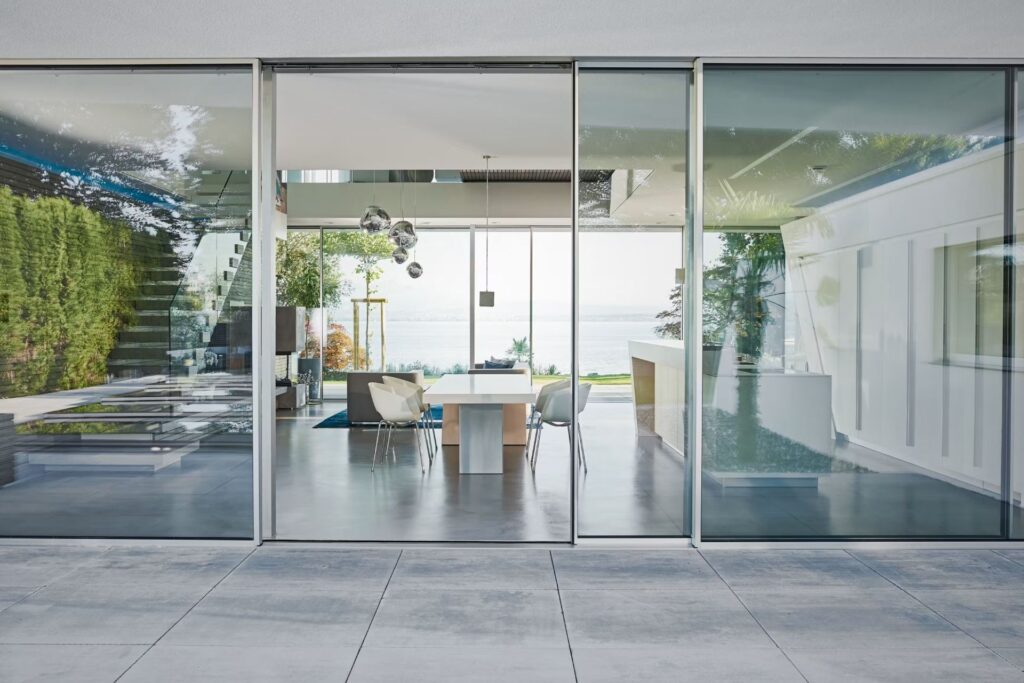
Introduction: Sliding and folding doors have rapidly become a popular feature in modern homes, offering an innovative way to enhance indoor–outdoor living. These doors don’t just serve as functional entry points; they also contribute significantly to the overall aesthetic and lifestyle of your home. In this article, we’ll explore the key benefits of sliding and folding doors and why they might be the perfect addition to your living space. Seamless Connection Between Indoors and Outdoors One of the most compelling reasons for choosing sliding and folding doors is their ability to create a seamless connection between your indoor and outdoor spaces. With the ability to open up large sections of a wall, these doors allow natural light to flood your living room, kitchen, or any space that transitions into your garden, patio, or balcony. Transitioning into a more open layout can transform your daily life, making it feel as though your home is expanding. Maximizing Natural Light and Airflow Another major benefit of sliding and folding doors is their ability to increase the amount of natural light that enters your home. By eliminating the barriers that traditional doors impose, you’re left with uninterrupted views and the chance to let in fresh air when desired. Whether you’re lounging indoors or hosting a gathering, the abundant natural light creates a warm, inviting atmosphere. Enhanced Space and Flexibility Sliding and folding doors are perfect for maximizing the space in smaller homes or apartments. When fully opened, they allow you to transform one room into an open, expansive area that merges with your outdoor patio or garden. This flexibility is particularly useful when you want to entertain guests or enjoy an evening meal while taking in the fresh air. This feature also allows for easy customization of your living space based on your needs, whether it’s for relaxing, dining, or socializing. Increased Home Value and Appeal Not only are sliding and folding doors an aesthetic choice, but they also add value to your property. Potential buyers are often attracted to homes with these doors because of their modern design and the lifestyle benefits they offer. By investing in high-quality, energy-efficient models, you can make your home more appealing to future buyers. Incorporating these doors into your design plans can elevate both the functionality and visual appeal of your home. Better Accessibility and Safety Sliding and folding doors offer easy access to outdoor areas, which is particularly beneficial for families with children or elderly individuals. Their smooth operation makes it simple for anyone to open or close the door without strain. Additionally, modern models come with safety features like multi-point locking systems to ensure your home remains secure. As a bonus, these doors can be equipped with screens to keep insects out while letting in a fresh breeze. Conclusion: Incorporating sliding and folding doors into your home isn’t just about improving its look, it’s about enhancing your lifestyle. From maximizing natural light to offering easy access between indoor and outdoor spaces, these doors are a functional design element that can transform your living experience. Whether you’re entertaining or just enjoying the tranquility of your garden, sliding and folding doors provide an unbeatable connection between the comforts of home and the beauty of nature.  

Blog

Make a Statement With Your Windows & Doors: Window Frame Colours Trend 2026

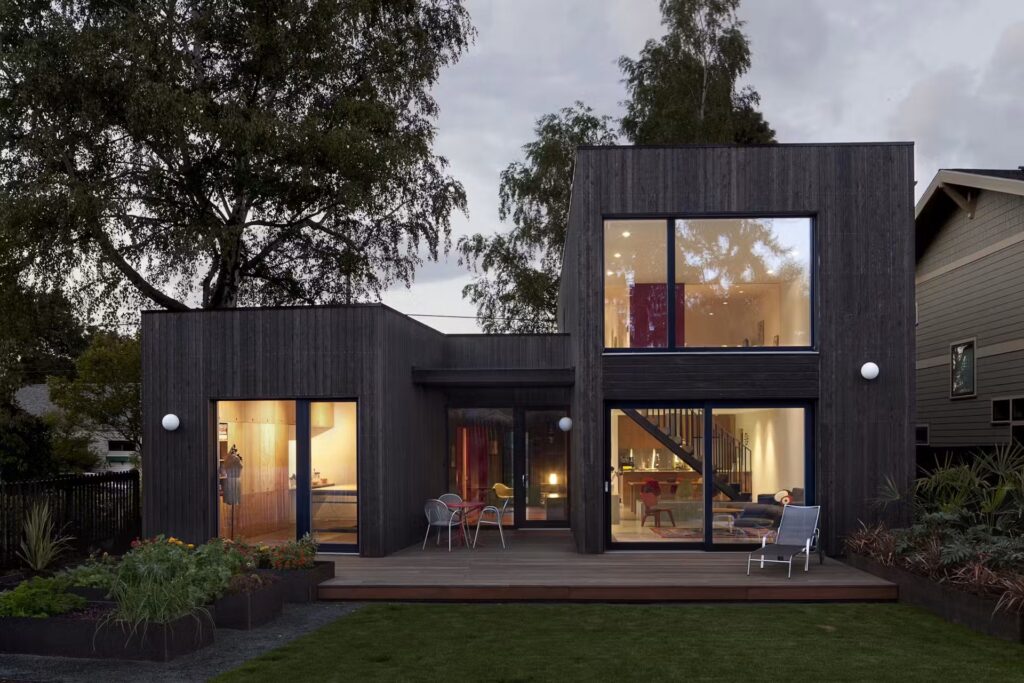
In 2026, window frame colours trend 2026 are evolving beyond basic neutrals to make bold statements in home design. Choosing the right colour for your window frames can completely transform the aesthetic of your home, enhancing both its curb appeal and interior style. This year, we are seeing a rise in daring shades and subtle hues, adding a touch of personality to windows and doors. Bold Shades in the Window Frame Colours Trend 2026 While white, black, and grey have long been staples in window frame design, 2026 brings in more vibrant choices. Bold shades like deep emerald green, rich navy blue, and earthy terracotta are gaining popularity. These colours bring a sense of warmth and uniqueness to your home. Not only do they create a striking visual appeal, but they also reflect a growing trend of using home exteriors as a canvas for personal expression. The Return of Earth Tones Alongside bold colours, earthy tones are making a comeback in window frame colours. Shades like muted browns, beige, and taupe are gaining traction, especially for homeowners who want a more natural, rustic feel. These tones blend seamlessly with both modern and traditional homes, offering a subtle elegance that never goes out of style. Contrasting Window Frames: The Power of Black and White In 2026, high contrast designs are continuing to dominate, with black window frames paired with white walls creating a timeless look. This bold contrast adds sophistication, bringing an element of drama to your windows. Whether you’re working with minimalist designs or rustic vibes, this combination can work wonders in making your windows stand out. Metal Window Frames: Sleek and Modern Another trend gaining momentum in 2026 is the use of metal frames. These frames, often seen in matte black, brushed gold, or silver, offer a sleek and modern aesthetic. Metal frames are not only durable but also have an industrial charm that pairs well with both contemporary and urban home designs. How to Choose the Right Colour for Your Home When choosing your window frame colour, it’s essential to consider the overall design of your home. Think about the existing exterior and interior elements, such as the colour of the walls, roof, and landscaping. A high contrast colour might be perfect for modern homes, while earth tones suit cottages and rustic homes better. Don’t be afraid to mix and match colours to find the perfect balance between boldness and harmony. Conclusion: The Future of Window Frames As we move into 2026, window frame colours are becoming more than just functional, they are an essential design feature that enhances the personality of a home. From bold and striking hues to soft, natural tones, there’s a wide variety of options to explore. By embracing these trends, you can make a statement with your windows and doors, creating a home that reflects your unique style and vision. Embrace these trends to make your windows and doors the focal point of your design!

Scroll to Top

What's your role?

How can we contact you?