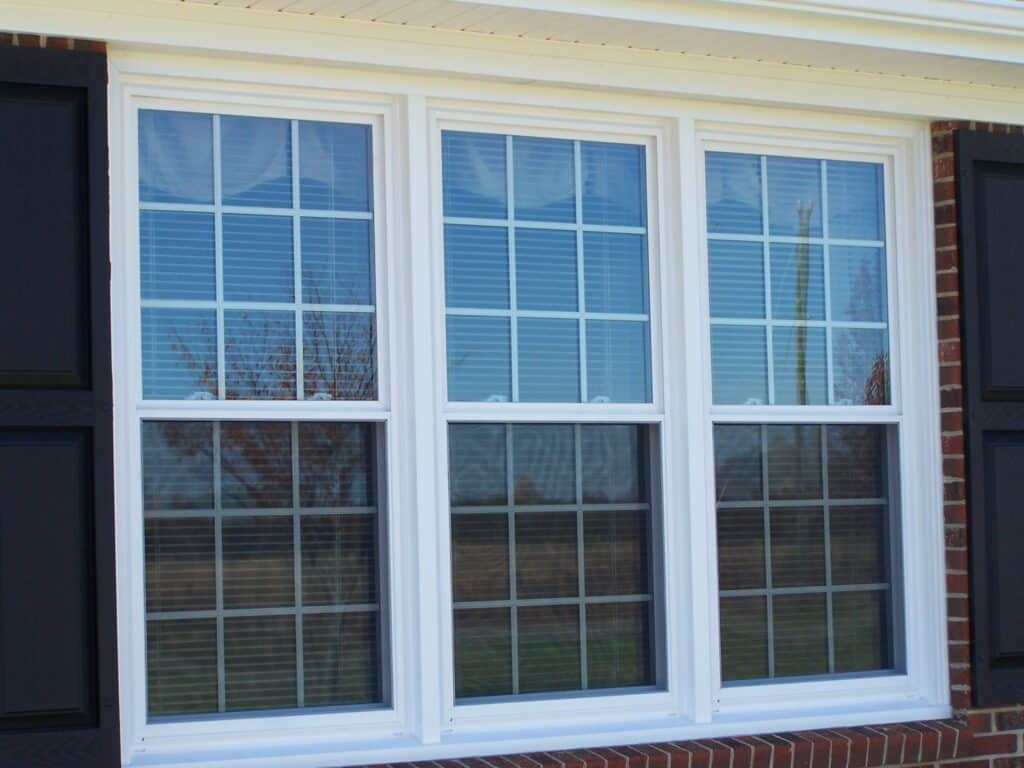
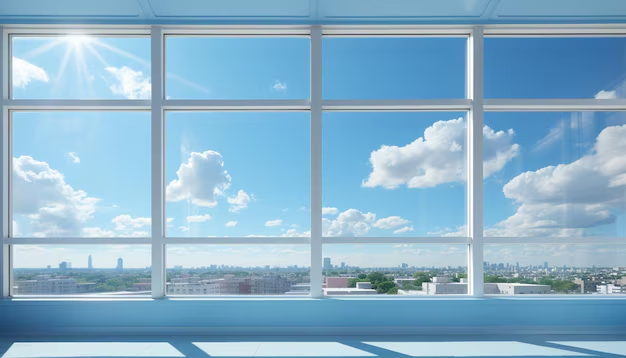
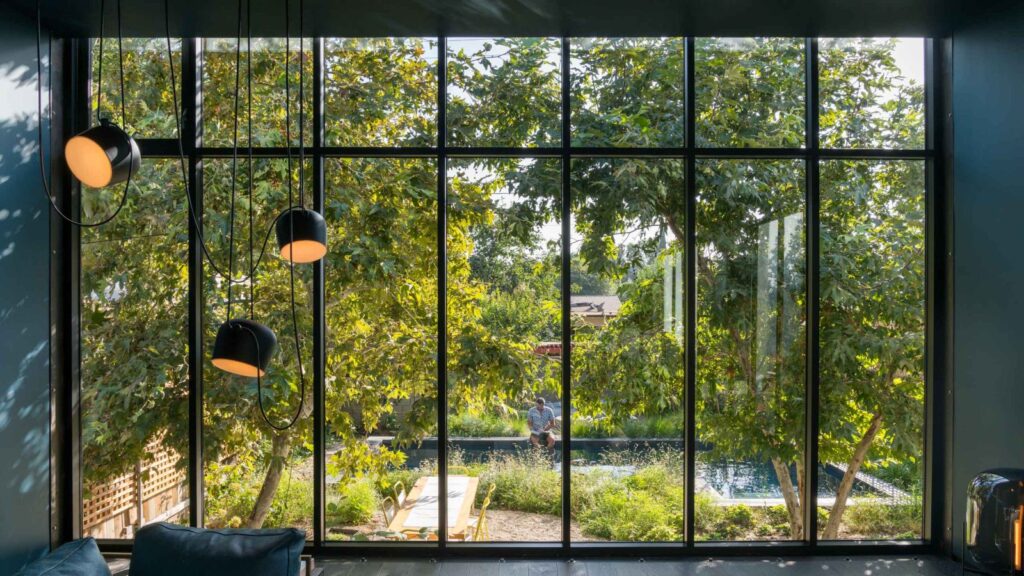
Choosing the best windows for apartments is not just about looks. In high rise buildings and dense urban areas, windows affect noise levels, energy efficiency, safety, ventilation, and long term maintenance. Therefore, selecting the right type can significantly improve comfort and property value. In this guide, we will explore the most suitable window options for high rise apartments and city living. In addition, we will explain which materials, glazing options, and features work best in urban environments. Why Windows Matter in High Rise Apartments Urban living comes with unique challenges. For example, city apartments often face heavy traffic noise, strong winds, pollution, and temperature fluctuations. As a result, standard window choices may not perform well. Moreover, high rise buildings require windows that meet safety regulations and structural demands. Because wind pressure increases at higher floors, window strength becomes critical. At the same time, proper insulation reduces energy bills and enhances indoor comfort. Therefore, the best windows for apartments must balance durability, insulation, security, and design. Key Factors to Consider When Choosing Apartment Windows Before selecting a window type, it is important to understand the core requirements of high rise living. Sound Insulation City noise can disrupt sleep and productivity. For instance, traffic, construction, and sirens are common in urban areas. Therefore, double or triple glazed windows with laminated glass are ideal. They significantly reduce sound transmission. Energy Efficiency Urban apartments often rely heavily on heating and cooling systems. Consequently, energy efficient windows help maintain indoor temperature. Look for Low E glass coatings and insulated frames. These features reduce heat transfer and lower utility costs. Wind Resistance Higher floors experience stronger wind pressure. As a result, windows must meet structural performance ratings. Reinforced frames and impact resistant glass provide better stability. Safety and Security Security is another major concern. Therefore, multi point locking systems and tempered glass are recommended. Additionally, some cities require safety glazing for high rise buildings. Ventilation Control Good ventilation improves indoor air quality. However, not all window types allow safe airflow in tall buildings. For this reason, limited opening designs are often preferred. Casement Windows: A Practical Urban Choice Casement windows open outward using side hinges. Because they seal tightly when closed, they offer excellent insulation. Benefits of Casement Windows First, they provide strong energy efficiency due to compression seals. Second, they block noise effectively when combined with double glazing. Third, they allow controlled ventilation. However, in very high floors, outward opening windows may be restricted by building codes. Therefore, always check local regulations before installation. Casement windows are often considered among the best windows for apartments due to their airtight seal and modern design. Sliding Windows: Ideal for Limited Space Sliding windows move horizontally along tracks. Because they do not project inward or outward, they are suitable for compact urban spaces. Advantages of Sliding Windows First, they are easy to operate. Second, they require minimal maintenance. Third, they work well with contemporary apartment designs. However, sliding windows may not seal as tightly as casement windows. Therefore, high quality weather stripping is essential for better insulation. In many city apartments, sliding windows are a popular choice due to space efficiency and sleek appearance. Double Hung Windows: Classic Yet Functional Double hung windows feature two vertically sliding sashes. As a result, you can open either the top or bottom portion. Why Choose Double Hung Windows? First, they allow flexible ventilation. Second, they are easy to clean from inside, especially if they tilt inward. Third, they fit both traditional and modern interiors. However, air leakage can be slightly higher compared to casement windows. Therefore, ensure that the model includes advanced sealing technology. For mid rise apartments, double hung windows can be both stylish and practical. Fixed or Picture Windows: Maximum Views and Efficiency High rise apartments often offer stunning city views. Therefore, fixed or picture windows are an excellent option. These windows do not open. Consequently, they provide superior insulation and structural strength. Because there are no moving parts, air leakage is minimal. However, they do not offer ventilation. For this reason, many homeowners combine fixed windows with operable side panels. If your priority is panoramic views and energy efficiency, fixed windows rank among the best windows for apartments in urban towers. Best Window Frame Materials for Urban Living Selecting the right material is equally important. Vinyl Frames Vinyl is affordable and energy efficient. Moreover, it requires little maintenance. However, extreme heat can cause slight expansion. Aluminum Frames Aluminum is strong and lightweight. Therefore, it is commonly used in high rise buildings. However, it conducts heat easily unless thermally broken. Fiberglass Frames Fiberglass is highly durable and resistant to temperature changes. In addition, it provides excellent insulation. Although it costs more, it performs well in urban environments. Double vs Triple Glazing for Apartments Glazing significantly impacts comfort. Double Glazing Double glazed windows contain two glass panes with an insulating layer. As a result, they reduce heat loss and external noise. Triple Glazing Triple glazing adds a third pane. Therefore, insulation improves further. However, it increases cost and weight. For most urban apartments, high quality double glazing with laminated glass is sufficient. However, in extremely noisy areas, triple glazing may be worth the investment. Impact Resistant and Laminated Glass Urban safety standards often require stronger glass. Laminated glass includes a protective interlayer. Consequently, it holds together if broken. Impact resistant glass also withstands strong winds and debris. Therefore, it is ideal for tall buildings in windy cities. When evaluating the best windows for apartments, always consider safety ratings and building codes. Energy Ratings and Certifications To ensure efficiency, look for certified products. For example, ENERGY STAR rated windows meet strict performance standards. In addition, check the U factor and Solar Heat Gain Coefficient ratings. Lower U factor values indicate better insulation. Meanwhile, balanced Solar Heat Gain Coefficient ratings help regulate indoor temperature. These metrics help you compare options objectively. Maintenance Considerations in High Rise Buildings Maintenance can be