Euro America Windows

Author name: EuroAmericaWindows

frameless glass doors for homes
Blog

Frameless Glass Doors: Luxury Trend or Practical Choice?

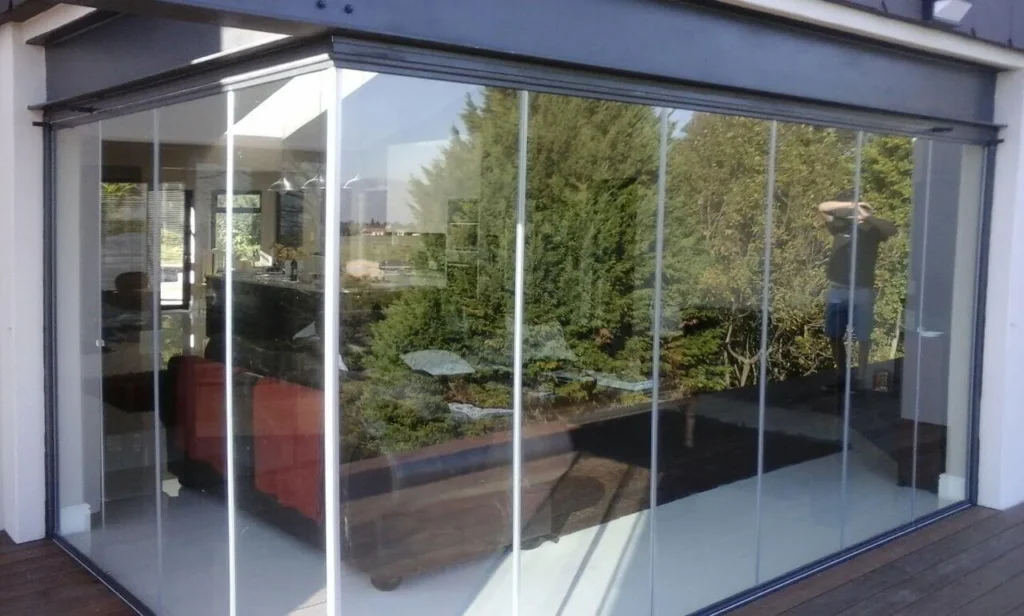
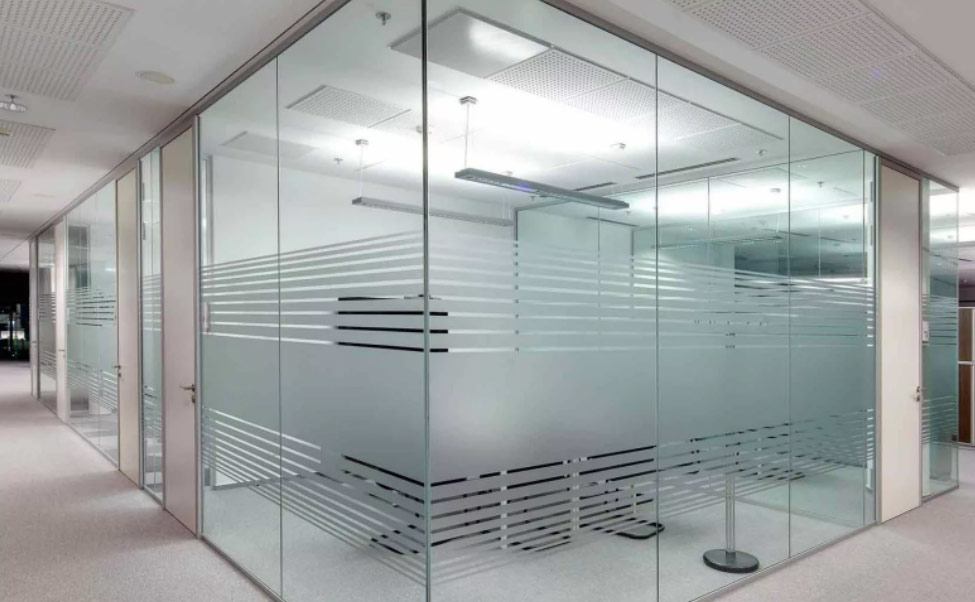
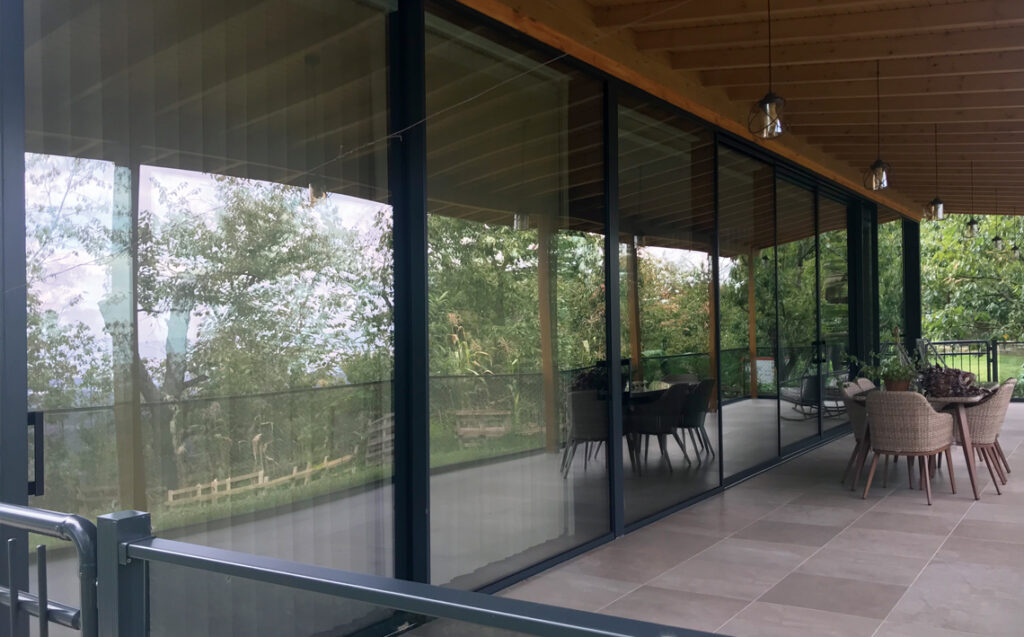
Frameless glass doors for homes have become an increasingly popular design choice in modern architecture. Whether you’re renovating your space or building a new home, the allure of sleek, open-concept living often leads homeowners to consider frameless glass doors. But are these doors just a luxury trend, or do they offer real practicality? In this blog post, we’ll explore the benefits and potential drawbacks of frameless glass doors, helping you decide whether they’re the right choice for your home. What Are Frameless Glass Doors? Before diving into the advantages and disadvantages, let’s define what frameless glass doors are. Unlike traditional doors, frameless glass doors do not have visible frames, giving them a minimalist and contemporary appearance. These doors are typically made from tempered or laminated glass, ensuring safety and durability. Frameless glass doors are often used as patio doors, shower enclosures, or internal room dividers. The Appeal of Frameless Glass Doors Aesthetic Appeal: The Luxury Factor One of the main reasons people opt for frameless glass doors is their stunning visual appeal. The seamless design adds a touch of luxury and modernity to any home. These doors create a sense of openness and flow, making rooms appear larger and brighter. The glass panels provide uninterrupted views, especially if the door leads to an outdoor space like a garden or terrace. Homeowners who appreciate clean lines and contemporary aesthetics find frameless glass doors an ideal fit. Additionally, frameless glass doors can blend seamlessly into any design style. Whether you’re working with a modern, industrial, or even a traditional style, these doors can be customized to suit the overall theme of your home. This versatility makes them a popular choice among homeowners looking for a stylish, high-end touch. Maximizing Natural Light Another major benefit of frameless glass doors for homes is the abundance of natural light they allow into your space. Traditional doors with heavy frames often block sunlight, making rooms feel darker. Frameless glass doors, on the other hand, provide a clear, unobstructed path for sunlight, brightening up your living areas. Natural light has been proven to improve mood and enhance productivity. It also gives your home a warm, welcoming atmosphere. With frameless glass doors, you can bring the outdoors inside, creating a harmonious connection between your living space and your environment. Practical Benefits of Frameless Glass Doors While frameless glass doors certainly offer aesthetic advantages, they also come with several practical benefits that can enhance your home’s functionality. Space Efficiency and Flow Frameless glass doors can help create a sense of continuity between rooms. This is especially beneficial in open-plan layouts, where seamless transitions are key to maintaining the flow of space. By using frameless glass doors, you eliminate the heavy presence of traditional doors, which can feel bulky and divide a space into smaller, less inviting areas. These doors are particularly useful in smaller homes or apartments, where creating the illusion of more space is a priority. With the clean and minimal design of frameless glass doors, you can visually expand your living areas without compromising functionality. Easy Maintenance and Durability When it comes to maintenance, frameless glass doors offer an advantage. Unlike traditional doors that may have wooden frames, hinges, and other components that can wear out or require frequent cleaning, glass doors are easy to wipe down and maintain. Tempered glass is resistant to scratches and stains, which means your doors will stay looking pristine for longer periods. Additionally, frameless glass doors are designed for durability. The materials used in their construction are chosen to withstand the elements, whether it’s the sun’s UV rays or the impact of everyday use. With proper care, frameless glass doors can last for many years, making them a worthwhile investment. Enhanced Safety Features Many homeowners are concerned about the safety of glass doors, especially in homes with children or pets. Modern frameless glass doors are made from safety glass, such as tempered or laminated glass, which is designed to shatter into small, non-sharp pieces when broken. This reduces the risk of injury compared to traditional glass doors, which can break into large, dangerous shards. Moreover, frameless glass doors can be equipped with advanced locking mechanisms, providing enhanced security for your home. Whether you’re using them for an exterior patio door or as an interior partition, these doors offer both elegance and peace of mind. Challenges and Considerations While frameless glass doors offer many advantages, they may not be suitable for everyone. It’s important to weigh the following considerations before making a final decision: Privacy Concerns One potential drawback of frameless glass doors is the lack of privacy. Since they are made entirely of glass, they don’t provide the same level of privacy as traditional doors. If you’re installing these doors in areas where privacy is important, such as a bathroom or bedroom, you may need to explore options for frosted or tinted glass, which can reduce visibility without sacrificing the door’s aesthetic appeal. Alternatively, you can consider adding curtains, blinds, or other window treatments for added privacy when needed. However, these additions may reduce the sleek, minimalist appearance that frameless glass doors are known for. Energy Efficiency Although frameless glass doors allow plenty of natural light, they might not be as energy-efficient as traditional doors. Glass, especially if it’s not double-glazed, can allow heat to escape during winter or let in heat during summer. This can lead to higher energy bills if you’re not using energy-efficient glass. To address this, many modern frameless glass doors come with double-glazed or Low-E glass options, which help to improve insulation. When selecting your frameless glass doors, be sure to ask about energy efficiency features to ensure you’re getting the best performance for your home. Cost Considerations Frameless glass doors can be more expensive than traditional doors due to their materials, design, and installation process. Depending on the type of glass, hardware, and customization options you choose, the cost of these doors can add up quickly. It’s important to set a realistic budget before

multi point locking system
Blog

Multi-Point Locking Systems: Are They Worth the Upgrade?

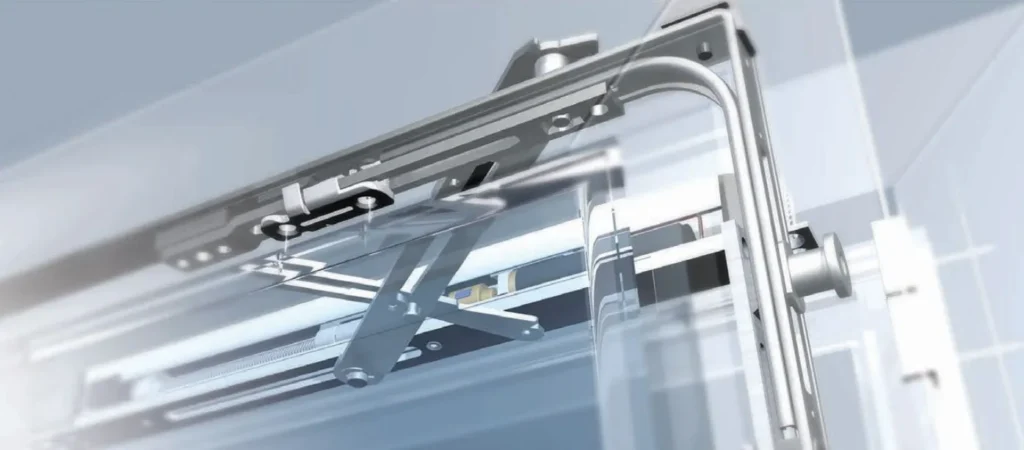
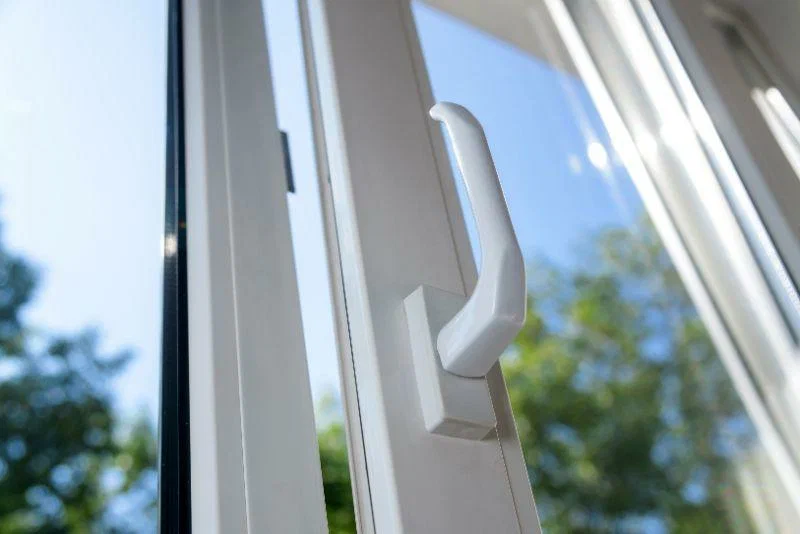
When it comes to securing your home or business, the importance of a reliable locking system cannot be overstated. While traditional locks have served their purpose for years, advancements in security technology have introduced more sophisticated systems. One such innovation is the multi point locking door system. These systems offer enhanced security, ease of use, and long-term durability. But are they worth the upgrade? In this article, we’ll explore the benefits and considerations of installing a multi-point locking system and whether it’s the right choice for your property.   What is a Multi-Point Locking Door System? A multi point locking door system is a sophisticated locking mechanism used primarily on entry doors, such as front or patio doors. Unlike traditional locks, which only secure the door at one point, multi-point locks engage the door at multiple points along its frame. Typically, these locks secure the top, middle, and bottom of the door, providing a higher level of security compared to standard deadbolts or latches. This design helps to evenly distribute the force of a break-in attempt, making it much harder for intruders to force the door open.   How Does a Multi Point Locking System Work? The system works by operating a single handle or key to engage several locking points along the door. When the handle is turned or the key is inserted, bolts, hooks, or pins secure the door at multiple locations. The locking points are typically placed at strategic spots along the doorframe to prevent easy tampering or forced entry. In most systems, there are three main types of locking mechanisms used: Hook bolts: These are curved bolts that engage with the doorframe, offering strong resistance against being pulled out. Shoot bolts: These are straight bolts that slide into the doorframe, locking the door securely. Roller cams: These provide a softer lock and are often used in conjunction with other locking mechanisms. Each of these mechanisms works together to ensure the door remains firmly in place, offering unparalleled security for your home or business.   Benefits of Multi Point Locking Systems Enhanced Security: The most obvious benefit of upgrading to a multi-point locking system is the increased security it provides. By securing the door at multiple points, it becomes far more difficult for an intruder to force entry. This is especially important for larger doors or doors that are frequently exposed to high-traffic areas. Improved Weather Resistance: Multi-point locking systems also provide better sealing than traditional locks. The way these systems engage the door at various points ensures a more secure fit, which can help in preventing drafts and water penetration. This can be particularly beneficial for doors exposed to harsh weather conditions. Ease of Use: Despite their added security, multi-point locking systems are surprisingly easy to use. Many systems operate with a simple turn of the handle or a key, which engages all locking points simultaneously. This convenience makes them an excellent option for homeowners or businesses seeking high security without sacrificing ease of access. Durability and Longevity: Multi-point locks are generally built with higher-quality materials and advanced engineering compared to standard locks. This means they are less prone to wear and tear over time. When properly maintained, these systems can last for many years, making them a cost-effective option in the long run. Added Aesthetic Appeal: Multi-point locking systems often come with modern designs and finishes, which can enhance the overall appearance of your door. This added aesthetic value makes these systems not just functional, but also stylish, complementing the look of your home or office.   Are Multi Point Locking Systems Compatible with All Doors? While multi-point locking systems offer numerous advantages, it’s important to note that they may not be suitable for all door types. Most commonly, these systems are installed on UPVC or composite doors, as they are designed with a certain thickness and frame structure to accommodate the additional locking points. However, it is possible to retrofit some older wooden or metal doors to work with multi-point locks, though it may require significant modifications to the door and frame. Before upgrading, it’s essential to consult with a professional locksmith or installer to determine if your door is compatible with a multi-point locking system and whether any adjustments will be necessary.   Potential Drawbacks to Consider Cost: Multi-point locking systems generally come with a higher price tag than traditional locks. While the upfront cost can be more expensive, the added security and durability make it a worthwhile investment in many cases. However, for those on a tight budget, it’s important to weigh the benefits against the initial expenditure. Maintenance: While these systems are generally low-maintenance, they do require periodic servicing to ensure the locking points are functioning properly. Over time, the locking mechanisms can become stiff or misaligned, which could prevent the door from locking securely. Routine checks are necessary to maintain the lock’s performance. Complex Installation: Installation of a multi-point locking system is typically more complicated than traditional lock installation. It requires a precise fit and alignment of the locking points. For this reason, it’s recommended to hire a professional to install the system, which adds to the overall cost of upgrading.   Are Multi-Point Locking Systems Worth the Upgrade? Whether or not a multi point locking door system is worth the upgrade depends on a variety of factors. If security is a top priority for your home or business, and you want to ensure the highest possible protection, upgrading to a multi-point locking system can be an excellent decision. The enhanced security, ease of use, and long-lasting durability make these systems a smart investment in the long term. However, if you are looking for a more budget-friendly option, there are other security measures to consider. In some cases, traditional locks, such as deadbolts, may provide adequate protection. Ultimately, the decision comes down to your individual security needs and preferences. If you’re looking for a higher level of security and are willing to invest in it, a multi-point locking system

window STC rating
Blog

Noise Reduction Ratings (STC) Explained for Homeowners

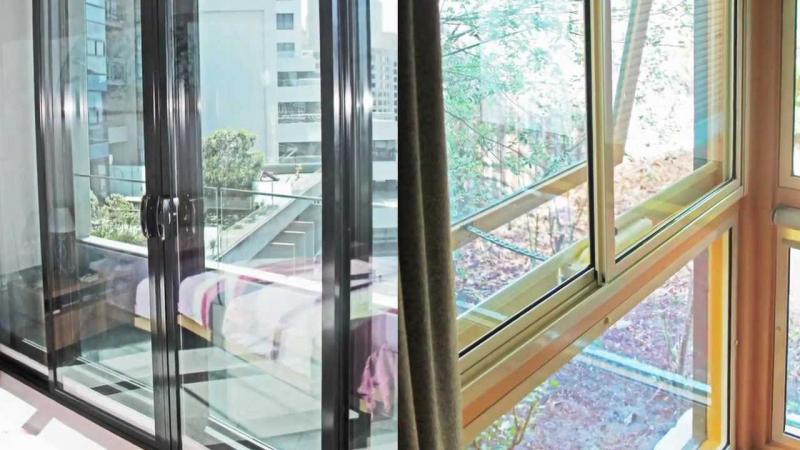
As a homeowner, you may have encountered terms like “STC rating” when shopping for new windows or considering soundproofing solutions. But what exactly is a window STC rating, and how can it benefit you? In this guide, we’ll explain how STC ratings work, how they impact your home’s comfort, and how to choose the right windows for effective noise reduction. What is STC Rating? STC stands for Sound Transmission Class. It is a measure of how well a building material—such as a wall, window, or door—can block sound. The higher the STC rating, the better the material is at preventing sound from passing through it. Windows are often the weakest points in a home when it comes to noise transmission. This is because windows are typically made of glass, which is not very effective at blocking sound. To improve soundproofing, homeowners may turn to windows with a higher STC rating. How is STC Rating Measured? An STC rating is determined through laboratory testing, where sound is transmitted through a material, and the amount of sound reduction is measured. The STC scale typically ranges from 0 to 100, with 100 representing complete soundproofing. STC Rating Ranges STC 25 or lower: This rating indicates minimal noise reduction. It is typical of single-glazed windows and thin walls, which offer little sound insulation. STC 30–35: These windows or walls can block moderate levels of sound, making them suitable for homes in moderately noisy environments. STC 40–45: A higher STC rating, which indicates good noise reduction. These windows are ideal for homes in noisy neighborhoods, such as those near busy roads or airports. STC 50 and above: These are high-performance windows and walls designed to block almost all sound. They’re often used in home theaters or in very noisy environments. Why is Window STC Rating Important? Having a good window STC rating can significantly enhance your living environment by reducing the amount of external noise that enters your home. This is particularly important if you live in a busy area, near highways, schools, or entertainment venues. Here are some reasons why window STC ratings matter: Enhanced Comfort: Noise can be a major source of stress. By reducing unwanted sound, you can create a quieter and more relaxing living space. Better Sleep: Excessive noise, particularly during nighttime, can disrupt sleep. Choosing windows with a higher STC rating can help ensure that you sleep soundly without being disturbed by outside noise. Increased Privacy: Windows with a high STC rating can also improve your privacy by preventing sound from traveling in and out of your home. This is particularly useful if you live in close quarters with neighbors. Energy Efficiency: While not directly related to noise reduction, windows with a higher STC rating are often better at insulating your home, keeping the temperature regulated. This can help you save on energy costs. How to Choose Windows Based on STC Ratings? When selecting windows for your home, consider the level of noise you want to block. Different windows offer varying levels of soundproofing, and it’s important to choose the one that best suits your needs. Here’s what to look for: Material of the Window Frame and Glass The type of material used in the window frame and glass plays a significant role in sound insulation. Common materials include: Wood: Wood frames tend to perform well in soundproofing because they are denser and can help absorb sound. However, they might not be as effective as more specialized materials. Vinyl: Vinyl frames can offer good sound insulation and are generally more affordable. Aluminum: Aluminum is less effective at soundproofing than wood or vinyl. However, double-glazed aluminum windows can still provide a reasonable STC rating. Glass thickness also affects the STC rating. The thicker the glass, the better it can block sound. Dual-glazed or triple-glazed windows with varying thicknesses of glass are often more effective at soundproofing. Window Glazing Double or triple-glazed windows are the most effective at improving a window’s STC rating. These windows feature multiple panes of glass with air or gas-filled spaces between them, which helps block sound. Double-glazed windows: These windows consist of two panes of glass with a layer of air or gas between them. They provide good noise insulation and are often sufficient for most residential properties. Triple-glazed windows: These windows feature three panes of glass, which offers superior soundproofing. They are ideal for homes in extremely noisy environments. Seal and Installation The quality of the window installation is just as important as the STC rating of the window itself. Gaps or poor seals around the window frame can allow sound to leak in, negating the benefits of a high-STC window. It’s important to have your windows professionally installed with airtight seals to maximize their noise reduction performance. Factors That Affect the STC Rating of Windows While the window’s STC rating is crucial, other factors can influence its performance: Air Space Between the Panes: The greater the distance between the panes in a double-glazed window, the better it will perform in blocking sound. A wider air space can help reduce the transmission of sound waves. Laminated Glass: Laminated glass is made by sandwiching a plastic layer between two panes of glass. It enhances a window’s ability to block sound, making it an excellent choice for areas with high noise levels. Window Size and Shape: Larger windows may have a lower STC rating, as more surface area allows for more sound transmission. Smaller windows generally provide better soundproofing. STC vs. OITC Rating: What’s the Difference? While STC measures the ability of a material to block sound, it’s not the only rating to consider. The Outdoor-Indoor Transmission Class (OITC) rating is another important factor, particularly for windows exposed to outdoor noise like traffic or air traffic. OITC takes into account the frequency of the noise (low-frequency sounds, such as traffic, are harder to block). Therefore, it can provide a more comprehensive understanding of a window’s soundproofing ability in real-world conditions. If you live in an area with

wood-clad windows benefits
Blog

Wood-Clad Windows: Beauty Meets Performance

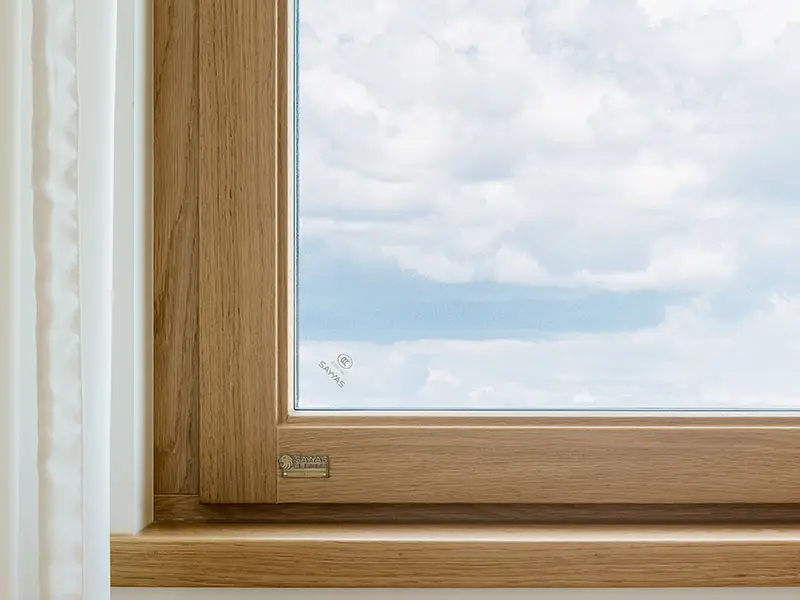
When choosing windows for your home or commercial property, you want to ensure you’re getting the perfect blend of aesthetics, durability, and energy efficiency. Enter wood-clad windows, a popular choice that offers the best of both worlds. These windows combine the timeless beauty of wood with the strength and weather resistance of other materials. In this article, we will explore the benefits of wood-clad windows, their features, and why they might be the ideal choice for your next window installation.   What Are Wood-Clad Windows? Wood-clad windows are essentially windows that have a wood interior and a protective exterior made from materials like vinyl, aluminum, or fiberglass. The interior offers the warmth and charm of natural wood, while the exterior is designed to withstand the elements, ensuring long-lasting durability. This unique combination allows homeowners to enjoy the natural beauty of wood without the high maintenance typically associated with traditional wooden windows.   Wood-Clad Windows Benefits Wood-clad windows are known for their numerous advantages. Whether you’re renovating your existing windows or building a new home, these windows can enhance your property’s overall appeal and performance. Below are the top benefits of choosing wood-clad windows: Aesthetic Appeal One of the most significant reasons homeowners choose wood-clad windows is for their aesthetic value. The natural grain of the wood brings warmth and elegance to any room. Whether you opt for a traditional oak finish or a more modern maple style, wood-clad windows add a touch of sophistication and class. The interior wood can be stained or painted to match your home’s decor, allowing for customization to suit your personal style. Energy Efficiency Energy efficiency is a crucial factor when selecting windows for your home. Wood-clad windows provide excellent insulation due to the natural insulating properties of wood. The wooden interior helps to keep your home warm during the winter and cool in the summer, reducing your heating and cooling costs. Moreover, the exterior cladding material, whether it’s aluminum, vinyl, or fiberglass, adds an additional layer of insulation, further improving the window’s energy efficiency. Durability and Weather Resistance While wood is a naturally beautiful material, it can be prone to rotting and warping when exposed to the elements. However, the protective exterior layer on wood-clad windows ensures that the wood stays safe from the damaging effects of moisture, rain, and sun exposure. The cladding material is designed to resist weathering, meaning your wood-clad windows will maintain their beauty and performance for many years. Low Maintenance Traditional wooden windows require frequent upkeep, including painting and sealing to prevent deterioration. Wood-clad windows, on the other hand, require significantly less maintenance. The exterior cladding shields the wood from harsh weather conditions, which helps protect it from the wear and tear typically caused by rain, wind, and UV rays. In addition, cladding materials like vinyl or aluminum are easy to clean and maintain, so you won’t have to worry about the same level of care that wooden windows demand. Increased Property Value Investing in wood-clad windows can increase the value of your property. These windows combine functionality with aesthetics, making them a desirable feature for prospective buyers. Whether you’re selling a home or a commercial property, having high-quality wood-clad windows can make your property stand out from others on the market. Not only do they enhance the visual appeal of your property, but they also offer energy efficiency and durability, two factors that potential buyers highly value. Customization Options Wood-clad windows come in a variety of styles and finishes, allowing you to select a design that complements your home’s architecture. Whether you’re going for a classic or contemporary look, you’ll find wood-clad windows in an array of colors, wood types, and sizes. This level of customization makes it easier to match the windows to your existing decor. You can also choose from various grid patterns, glass options, and hardware to complete the look.   Types of Cladding Materials When selecting wood-clad windows, one of the most important decisions is choosing the type of cladding material that will protect the exterior of the wood. Below are the most common cladding materials used for wood-clad windows: Vinyl Cladding Vinyl is one of the most popular cladding materials for wood-clad windows. It is affordable, low-maintenance, and resistant to moisture and weather damage. Vinyl cladding doesn’t require painting or sealing, making it a convenient choice for homeowners who want durable, long-lasting windows without the need for constant upkeep. Additionally, vinyl cladding is available in a wide range of colors, ensuring that you can find an option that matches your home’s style. Aluminum Cladding Aluminum is another popular choice for wood-clad window exteriors. It’s lightweight, strong, and highly resistant to weather damage. Aluminum-clad windows are durable, making them an excellent choice for areas with extreme weather conditions. Aluminum cladding is also available in various finishes, including painted and anodized options, offering a sleek and modern look. One downside, however, is that aluminum can be prone to heat transfer, so it’s important to choose windows with thermal breaks to maintain energy efficiency. Fiberglass Cladding Fiberglass is known for its strength and insulation properties. It is more durable and energy-efficient than aluminum and vinyl and is an excellent choice for those seeking superior performance. Fiberglass is resistant to moisture, rot, and UV rays, making it an ideal option for areas with harsh weather conditions. Additionally, fiberglass-clad windows are available in a variety of colors and finishes and offer excellent energy efficiency.   Considerations When Choosing Wood-Clad Windows While wood-clad windows offer numerous benefits, it’s essential to consider a few factors before making your decision: Cost: Wood-clad windows tend to be more expensive than traditional wooden or vinyl windows due to the combination of materials and the added insulation. However, the long-term savings on energy bills and the increased property value can offset the initial investment. Installation: Installing wood-clad windows can be more complicated than installing standard windows, so it’s essential to work with a professional installer who is experienced with this type of window.

biophilic window design
Blog

Biophilic Design: Bringing Nature Inside With Glass Walls

Introduction: In today’s fast-paced world, the need for tranquility and natural beauty has become more important than ever. A design trend that has gained significant popularity is biophilic design a concept that seeks to reconnect people with nature through architectural elements. One of the most striking ways to incorporate biophilic design into modern homes and offices is through the use of biophilic window design. These windows, particularly glass walls, allow natural light and outdoor views to flood interior spaces, creating an environment that enhances well-being and productivity. In this blog post, we’ll explore how glass walls and biophilic window design are revolutionizing interior spaces. What is Biophilic Design? Biophilic design is rooted in the idea that humans have an inherent connection to nature. This concept is based on the premise that spending time in natural environments improves mental health, reduces stress, and enhances creativity. By incorporating natural elements into the built environment, biophilic design aims to foster a sense of harmony and balance between humans and nature. This approach not only focuses on aesthetics but also on the psychological and physical benefits that nature provides. The Role of Glass Walls in Biophilic Design Glass walls are a key feature in biophilic window design, offering a seamless connection between the interior and the exterior. These walls are made primarily of glass, which allows for unobstructed views of the surrounding natural environment. Whether it’s a lush garden, a tranquil forest, or a scenic cityscape, glass walls enable individuals to experience the outdoors from the comfort of their homes or workplaces. One of the main benefits of incorporating glass walls in biophilic design is the abundance of natural light they bring into the space. Natural light is essential for regulating circadian rhythms, improving mood, and boosting energy levels. Furthermore, exposure to sunlight has been shown to have numerous health benefits, such as increasing Vitamin D production and improving focus and productivity. Key Benefits of Biophilic Window Design Improved Mental Health: One of the primary advantages of biophilic window design is its positive impact on mental health. Studies have shown that spending time in nature or having access to natural elements can reduce feelings of anxiety, depression, and stress. Glass walls allow individuals to enjoy the benefits of natural light and outdoor views, which can enhance mood and promote relaxation. Increased Productivity: Incorporating biophilic elements into a workspace, especially through the use of glass walls, can significantly boost productivity. Natural light and views of greenery have been linked to improved cognitive function, concentration, and creativity. For offices and workspaces, this can result in higher employee satisfaction, better performance, and overall well-being. Energy Efficiency: Glass walls can also contribute to energy efficiency when designed correctly. Modern glass technology allows for high-performance glazing that helps regulate temperature and reduce energy consumption. By allowing natural light to illuminate the interior space, glass walls reduce the need for artificial lighting during the day, lowering electricity bills and minimizing environmental impact. Enhanced Aesthetic Appeal: Glass walls have a sleek, contemporary look that adds a touch of luxury to any space. In a biophilic design, these walls serve as a functional feature while also contributing to the aesthetic appeal of the environment. The transparency of glass allows for unobstructed views, creating a sense of openness and connection to the outdoors. Designing Biophilic Glass Walls: Key Considerations When incorporating biophilic window design with glass walls, there are several factors to consider to ensure that the design is both functional and aesthetically pleasing. Here are some important design elements to keep in mind: Size and Placement of Glass Walls The size and placement of glass walls play a significant role in how effectively they integrate with the surrounding environment. Larger glass walls create a sense of expansiveness and openness, allowing for uninterrupted views of nature. However, smaller glass panels strategically placed in key areas can also achieve a similar effect without compromising privacy or security. Glazing and Insulation The type of glass used in biophilic window design is crucial for ensuring energy efficiency and comfort. Double-glazed or triple-glazed glass provides better insulation, reducing heat loss and preventing drafts. Additionally, low-emissivity (Low-E) coatings can help regulate the amount of sunlight entering the space, preventing overheating during the summer months while allowing for warmth in winter. Privacy and Security While glass walls offer an open and airy feel, it’s important to consider privacy and security, especially for spaces that face busy streets or close neighbors. Frosted or tinted glass, or the use of window treatments like shades or curtains, can provide privacy without sacrificing the benefits of biophilic design. Connection with the Outdoors To fully embrace biophilic design, it’s essential to create a seamless connection between the interior and the outdoor environment. This can be achieved by strategically positioning the glass walls to offer views of lush landscapes, gardens, or natural surroundings. Indoor plants, water features, and natural textures can further enhance the feeling of being in nature. Case Studies: Successful Biophilic Window Designs Residential Biophilic Design with Glass Walls One example of successful biophilic design can be seen in residential projects where large glass walls open up to scenic views of nature. A stunning example is a modern villa in the Swiss Alps, where the living room features floor-to-ceiling glass windows. These walls provide unobstructed views of the mountains, allowing the residents to feel deeply connected to the natural surroundings. Biophilic Design in Workplaces In the corporate world, companies are increasingly recognizing the benefits of biophilic design in enhancing employee productivity and well-being. An excellent case study is the Google headquarters in Mountain View, California, where large glass walls are used throughout the campus. These walls bring the outdoors inside, creating a calming and inspiring environment for employees. Challenges of Biophilic Window Design While biophilic window design offers numerous benefits, it also presents some challenges. One of the most significant issues is cost. High-quality glass walls with advanced glazing technology can be expensive to install, and ongoing maintenance can add to the overall

Storm-Resistant Window Systems
Blog

Waterproof & Storm-Resistant Window Systems Explained

When it comes to protecting your home or business from the elements, choosing the right window system is essential. Whether you live in a storm-prone area or simply want peace of mind during harsh weather, storm-resistant window systems offer significant advantages. In this blog post, we’ll dive deep into the benefits, features, and types of storm-resistant windows, ensuring you make an informed decision for your property. What Are Storm-Resistant Windows? Storm-resistant windows are designed to withstand extreme weather conditions, such as hurricanes, heavy rains, and strong winds. These windows offer superior durability compared to traditional windows, providing both protection and safety during storms. They are engineered with advanced materials and technology to prevent damage, keeping your home safe from the outside elements. Key Features of Storm-Resistant Windows Impact-Resistant Glass One of the most important features of storm-resistant windows is the impact-resistant glass. This special glass is built to endure high winds and flying debris, making it less likely to break during a storm. Typically, this glass is made of laminated layers that bond the glass together, preventing shattering upon impact. Reinforced Frames The frame of storm-resistant windows is another critical component. These windows are designed with reinforced frames that add strength and stability to the entire structure. A strong frame ensures the window stays intact during severe weather, preventing water and wind from entering your home. Weather-Sealing Technology Storm-resistant windows are equipped with advanced weather seals that help prevent air and water infiltration. This technology ensures that no matter how fierce the storm, your windows will not allow moisture to enter your home. The enhanced sealing properties also improve energy efficiency, keeping your home insulated against both heat and cold. UV Protection In addition to storm protection, many storm-resistant windows also offer UV protection. This feature helps protect your furniture, flooring, and artwork from the harmful effects of UV rays, reducing fading and discoloration over time. The UV filtering layer also adds an extra layer of insulation, improving your home’s energy efficiency. Benefits of Installing Storm-Resistant Windows Enhanced Safety and Security During storms, debris flying through the air can pose a significant risk to your home and loved ones. Storm-resistant windows are designed to hold up under impact, providing a layer of protection against potential injuries. The durability of these windows reduces the likelihood of the glass shattering, making them an excellent choice for areas that experience frequent storms. Lower Energy Bills Storm-resistant windows help maintain a more consistent temperature inside your home by reducing drafts and heat loss. This can result in significant savings on your energy bills, especially during extreme weather conditions. The added insulation and weather seals work to keep your home comfortable year-round, minimizing the need for heating or cooling systems to work overtime. Increased Home Value Upgrading to storm-resistant windows can increase the value of your home. Prospective buyers will appreciate the added protection these windows provide, especially if your property is located in an area prone to storms or severe weather. The enhanced curb appeal, energy efficiency, and safety benefits make storm-resistant windows a smart investment for homeowners looking to improve their property value. Noise Reduction Another benefit of storm-resistant windows is noise reduction. The laminated glass used in these windows helps reduce outside noise, making your home more peaceful and quiet. This feature is particularly beneficial if you live near busy streets, airports, or other noisy environments. Types of Storm-Resistant Window Systems When choosing storm-resistant windows, it’s important to understand the different types available. Below are some common options: Hurricane Windows Hurricane windows are specifically designed to withstand the intense winds and flying debris associated with hurricanes. These windows are typically made with laminated glass and reinforced frames, offering maximum protection during severe weather events. In many coastal regions, hurricane windows are required by law for homes and businesses. Impact-Resistant Windows Impact-resistant windows are similar to hurricane windows but are designed to withstand a broader range of storms. While hurricane windows focus on high-speed winds and debris impact, impact-resistant windows are built to endure various weather conditions, including heavy rain and strong winds. They are ideal for homes located in areas where storms are common but hurricanes are less frequent. Polycarbonate Windows Polycarbonate windows are made from a high-strength plastic material known for its impact resistance and flexibility. These windows are often used in commercial applications and can withstand extreme winds and flying debris. While they may not provide the same level of insulation as glass windows, polycarbonate windows are still a great choice for storm resistance. How to Choose the Right Storm-Resistant Windows When selecting storm-resistant windows for your home, several factors should influence your decision: Location of Your Property The climate and geography of your area will play a major role in the type of storm-resistant window you need. If you live in a coastal region or a location prone to hurricanes, you may want to invest in hurricane windows. On the other hand, if your area experiences frequent but less severe storms, impact-resistant windows may be a better option. Energy Efficiency If energy efficiency is a priority for you, consider windows with low-emissivity (Low-E) coatings. These coatings reflect heat, helping to maintain a comfortable indoor temperature. Additionally, look for storm-resistant windows with double or triple glazing for enhanced insulation. Aesthetic Preferences Storm-resistant windows are available in a variety of styles and designs to match the aesthetic of your home. Whether you prefer traditional or modern designs, you can find storm-resistant windows that offer both protection and visual appeal. Work with a professional window installer to choose the best style for your property. Budget Considerations While storm-resistant windows offer long-term benefits, they can be an investment. It’s essential to evaluate your budget and determine the level of protection you need. Hurricane windows tend to be more expensive, but their durability and strength can provide peace of mind during severe weather events. Installation and Maintenance of Storm-Resistant Windows Installing storm-resistant windows is a job best left to professionals. Proper installation ensures

Best Windows for Hot Climates
Blog

Best Windows for Hot Climates & Extreme Heat

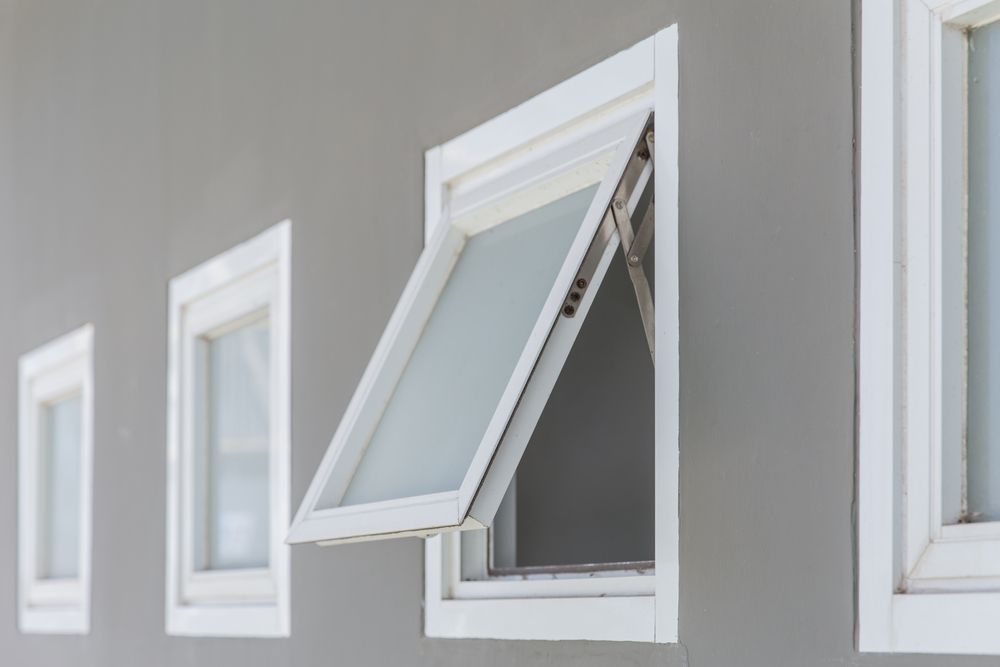
When living in hot climates, the temperature inside your home can often feel like it’s competing with the scorching sun outside. Choosing the right windows is crucial to keeping your living spaces cool and comfortable. In this guide, we’ll explore the best windows for hot climates and extreme heat. Whether you’re renovating your current home or building a new one, the right windows can help you maintain energy efficiency while reducing cooling costs. Why Windows Matter in Hot Climates Windows play a significant role in regulating the temperature inside your home. They affect heat gain and loss, which directly impacts your energy bills. In regions with extreme heat, the wrong windows can let in more warmth, forcing your air conditioning system to work harder. On the other hand, the right windows can reduce heat transfer, keeping your home cooler. In this article, we will discuss the types of windows that are ideal for hot climates and extreme heat. We’ll also cover the factors to consider when selecting windows, such as energy efficiency, UV protection, and insulating properties. What to Look for in Windows for Hot Climates Before we dive into the best window options, let’s talk about the important features to look for when choosing windows for hot climates. Energy Efficiency Windows with high energy efficiency will reduce your reliance on air conditioning, keeping your home cool without running up your energy bills. Look for windows that are ENERGY STAR® certified. These windows have been tested to meet certain energy efficiency criteria, ensuring that they provide optimal insulation and minimize heat transfer. Low-E Glass Low-emissivity (Low-E) glass is coated with a thin layer of metal oxide that reflects heat while allowing natural light to pass through. This feature is especially beneficial in hot climates, as it helps block out excess heat while still letting in sunlight. Low-E glass also reduces UV rays that can fade furniture and flooring. Double or Triple Glazing Double or triple glazing refers to windows with multiple panes of glass. These windows provide extra insulation, preventing heat from entering your home. The gap between the panes can be filled with argon or krypton gas, further improving the window’s insulating properties. Tinted or Reflective Glass Tinted or reflective glass reduces the amount of sunlight that enters your home. While tinted windows can provide a cooler interior, they may slightly dim natural light. Reflective coatings, on the other hand, can help reduce heat and glare without compromising too much on brightness. Proper Sealing and Frames Even the best glass can’t help if the window is poorly sealed. Properly sealed windows prevent air leaks, ensuring that cool air stays inside while hot air stays out. Look for windows with high-quality frames, such as vinyl or fiberglass, which offer superior insulation. Best Window Types for Hot Climates Now that we know what to look for in windows, let’s explore some of the best window types for hot climates. Casement Windows Casement windows are hinged at the side and open outward like a door. This design allows them to provide maximum ventilation, which is especially useful in hot climates. When properly sealed, casement windows offer excellent energy efficiency. Their tight seals prevent air leaks, making them an ideal choice for keeping your home cool. Why Choose Casement Windows: Great for airflow and ventilation Energy-efficient due to tight seals Easy to operate and maintain Double-Hung Windows Double-hung windows are popular for both traditional and modern homes. These windows have two sashes that move vertically, allowing for controlled ventilation. In hot climates, double-hung windows allow you to open the top or bottom sash to let in cooler air while letting warm air escape. Why Choose Double-Hung Windows: Versatile and easy to use Allow for natural ventilation Great for homes with limited space for outward-opening windows Awning Windows Awning windows are hinged at the top and open outward. They are ideal for hot climates because they can be left open during rain without letting water in. This feature makes them perfect for letting in fresh air while protecting your home from the elements. Why Choose Awning Windows: Can be left open during rain Offer continuous airflow Provide privacy without sacrificing natural light Picture Windows Picture windows are large, fixed windows that don’t open. While they don’t provide ventilation, they allow for unobstructed views and let in abundant natural light. In hot climates, picture windows are great for reducing air leaks since they don’t have moving parts. You can pair them with smaller, operable windows for ventilation. Why Choose Picture Windows: Allow for natural light without the heat Provide excellent views of the outdoors Offer superior insulation with no moving parts Sliding Windows Sliding windows consist of two sashes that slide horizontally. These windows are easy to operate and provide excellent ventilation. Since they don’t swing outward, sliding windows are a good option for homes with limited space. They also tend to be more energy-efficient than traditional single-hung windows. Why Choose Sliding Windows: Easy to operate and maintain Offer good ventilation without taking up space Ideal for modern or minimalistic designs Energy-Efficient Window Materials for Hot Climates The material of the window frame also affects the energy efficiency of the window. Here are some materials that work well in hot climates: Vinyl Vinyl is one of the most popular window frame materials because it’s affordable, durable, and energy-efficient. Vinyl frames offer excellent insulation and won’t warp or rot in hot climates. Fiberglass Fiberglass frames are stronger and more durable than vinyl, making them ideal for extreme heat. They are low-maintenance and provide excellent insulation. While fiberglass windows can be more expensive, they are a long-term investment in energy efficiency. Wood Wooden frames are highly insulating and can complement the design of many homes. However, they require regular maintenance to prevent damage from the heat. If you opt for wood, make sure the windows are properly sealed and treated to withstand the harsh climate. Aluminum Aluminum frames are lightweight and durable but tend to conduct

commercial glass façade systems
Blog

Commercial Glass Façade Systems: What Architects Recommend

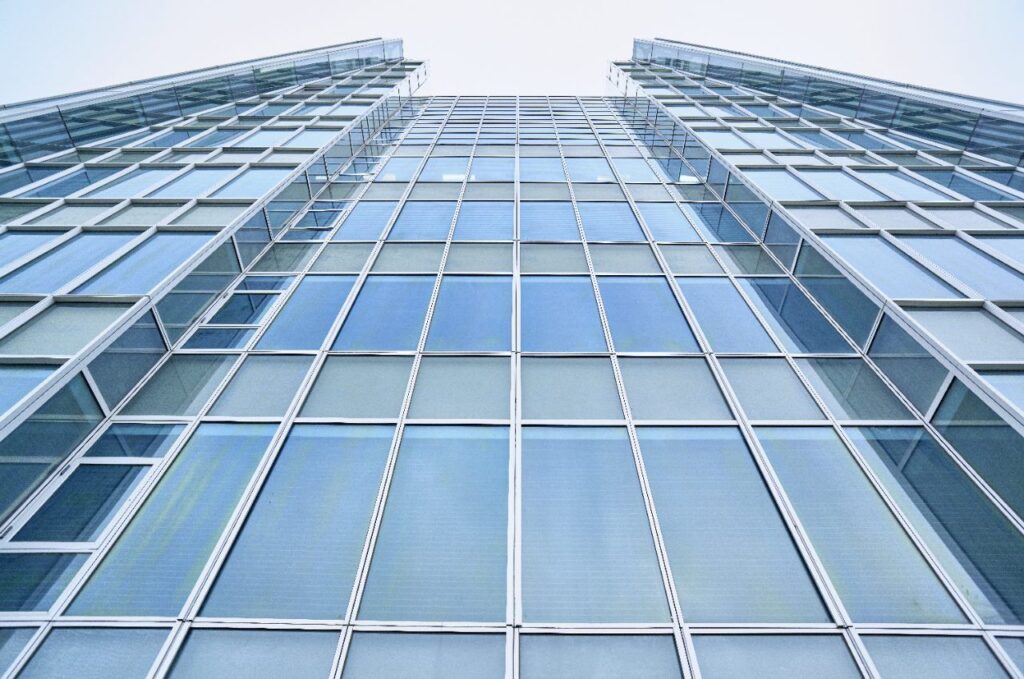
When it comes to the design of modern commercial buildings, the façade plays a pivotal role in creating a memorable first impression. One of the most sought-after solutions today is the use of commercial glass façade systems. These systems not only offer aesthetic appeal but also provide practical benefits such as natural light, energy efficiency, and durability. In this blog post, we’ll delve into what architects recommend when it comes to choosing the best glass façade systems for commercial projects. Understanding Commercial Glass Façade Systems Before diving into the architectural recommendations, it’s essential to understand what a glass façade system is. Essentially, a glass façade is a non-structural outer covering of a building that uses glass panels to form the exterior. It can either be a simple transparent wall or a complex curtain wall system, often incorporating elements such as insulation, ventilation, and sunshading. Why Choose a Glass Façade? There are several reasons why commercial glass façades have become the preferred choice for architects and building owners: Aesthetic Appeal Glass façades give buildings a sleek, modern, and open look. They enhance the architectural beauty of the structure while allowing for expansive views from inside the building. Architects often recommend glass façades because they make the building stand out in urban environments. Energy Efficiency Modern glass façades are designed to be energy-efficient. With advancements in glazing technology, glass panels can help regulate the building’s internal temperature by reducing heat gain and loss. Architects often recommend high-performance glazing systems that optimize energy savings and reduce heating or cooling costs. Natural Light One of the standout features of glass façades is their ability to let natural light flood into the building. This not only enhances the indoor environment but also contributes to energy savings by reducing the need for artificial lighting during the day. Architects emphasize the importance of maximizing daylight to create healthy, productive work environments. Environmental Sustainability Many glass façade systems are made from sustainable materials that contribute to green building certifications such as LEED (Leadership in Energy and Environmental Design). As environmental sustainability becomes a growing priority in construction, architects increasingly recommend glass façades as part of their commitment to eco-friendly designs. Types of Glass Façade Systems When selecting a glass façade system, architects must consider a range of factors, from climate conditions to the specific needs of the building. Below are some common types of glass façade systems: Curtain Wall Systems Curtain walls are one of the most common types of glass façades used in commercial buildings. These systems consist of large glass panels held together by an aluminum frame. The curtain wall is designed to bear no structural load, transferring all weight to the building’s structural frame. This system is often recommended for its versatility and sleek design. Structural Glazing Systems Unlike traditional curtain walls, structural glazing systems use a silicone sealant to attach the glass directly to the building’s structural frame. This creates a smooth, uninterrupted glass surface that is highly attractive and can be used for large glass walls. Architects favor structural glazing for its clean lines and minimalistic appearance. Double-Skin Façade Systems A double-skin façade system consists of two layers of glass with a space between them. This system acts as a buffer, helping to improve thermal insulation and reduce energy consumption. It is particularly recommended for buildings in extreme climates, as the air gap between the layers can regulate internal temperatures. Double-skin systems are also effective at reducing external noise, making them ideal for urban locations. Insulated Glass Units (IGUs) IGUs are a popular choice for energy-efficient commercial glass façades. These units consist of two or more glass panes separated by a spacer bar and sealed to create a thermal barrier. The space between the panes is often filled with gas such as argon or krypton, which further enhances the insulation properties. Architects recommend IGUs for buildings that require high energy performance. Laminated Glass Façades Laminated glass systems use multiple layers of glass with an interlayer material, often polyvinyl butyral (PVB), to hold the layers together. This type of glass façade is highly durable and provides added safety because it does not shatter into dangerous shards when broken. Architects recommend laminated glass for areas where impact resistance and safety are a priority, such as in high-traffic locations. Key Considerations for Choosing the Right Glass Façade System Architects consider a variety of factors when recommending a glass façade system. Below are some of the key considerations: Climate and Location The climate and geographical location of the building play a significant role in the choice of glass façade system. For buildings in hot climates, low-emissivity glass with sun control properties is recommended to minimize solar heat gain. In colder regions, triple-glazed glass may be advised to improve insulation and reduce heating costs. Building Purpose The intended use of the building also influences the choice of façade system. For example, offices, retail spaces, and hospitals may have different requirements in terms of natural light, acoustics, and privacy. Architects will select a system that aligns with the building’s function and its occupants’ needs. Aesthetic Preferences Glass façades come in a variety of finishes and colors, allowing architects to create visually striking exteriors that match the desired architectural style. Whether it’s clear, tinted, or reflective glass, the façade’s visual impact is a crucial consideration for designers. Maintenance and Durability Glass façades require regular maintenance to keep them looking their best. Some systems are easier to clean and maintain than others. For example, self-cleaning glass façades are gaining popularity, as they reduce maintenance costs over time. Architects recommend choosing a façade system that offers durability and low upkeep, especially for high-rise buildings. Building Codes and Regulations Compliance with local building codes and regulations is a must when selecting a glass façade system. These codes may dictate specific requirements for safety, energy performance, and fire resistance. Architects ensure that the chosen system meets all applicable standards and guidelines. Benefits of Commercial Glass Façade Systems Incorporating a commercial glass façade system

noise-reducing windows
Blog

Ultimate Guide to Noise-Reducing Windows for Urban Living

Living in an urban environment has its perks, vibrant city life, convenient amenities, and access to cultural hubs. However, the constant noise can detract from the comfort and tranquility of your home. Fortunately, noise-reducing windows can help you create a peaceful sanctuary amidst the hustle and bustle of city living. In this guide, we’ll explore everything you need to know about noise-reducing windows and how they can improve your urban home experience. What Are Noise-Reducing Windows? Noise-reducing windows, often referred to as soundproof or acoustic windows, are specially designed to reduce the amount of outside noise that enters your home. These windows use various materials and construction methods to minimize sound transmission, making them an ideal choice for urban homeowners looking to enhance their living space. Why Urban Homeowners Need Noise-Reducing Windows In cities, noise pollution is a common issue, especially for those living near busy streets, highways, or industrial areas. Noise can disrupt your sleep, affect your concentration, and increase stress levels. Noise-reducing windows provide a solution by blocking out unwanted sounds, offering you a quieter, more comfortable home environment. How Do Noise-Reducing Windows Work? Noise-reducing windows work by using multiple layers of glass and specific insulating materials to absorb and deflect sound. The key components include: Double or Triple Glazing: Multiple layers of glass with air or gas pockets between them act as barriers to sound. Laminated Glass: This type of glass has a layer of sound-dampening material between two layers of glass, reducing noise transmission. Sealed Edges: Properly sealed window frames prevent sound from leaking through gaps. Types of Noise-Reducing Windows There are several types of noise-reducing windows to consider, depending on your needs and budget: Double Glazed Windows: The most common type, offering moderate noise reduction. Triple Glazed Windows: Provides superior sound insulation, ideal for homes in areas with high noise levels. Laminated Acoustic Windows: These are engineered for maximum noise reduction and are perfect for homes near high-traffic areas. Benefits of Installing Noise-Reducing Windows The benefits of noise-reducing windows go beyond peace and quiet. Here are a few advantages: Improved Sleep Quality: Block out disruptive noises from traffic or neighbors, ensuring a more restful night’s sleep. Better Home Comfort: Reduce indoor temperature fluctuations by adding an extra layer of insulation. Increased Property Value: Homes with noise-reducing windows are more attractive to buyers, especially in noisy urban areas. Energy Efficiency: Noise-reducing windows can also improve your home’s energy efficiency by providing better insulation. Choosing the Right Noise-Reducing Windows for Your Home When selecting noise-reducing windows, consider the following factors: Level of Noise: The more noise you’re dealing with, the more robust your windows should be. Window Style: Certain window styles, like casement or fixed windows, may provide better sound insulation than others. Budget: Noise-reducing windows can vary in price, so consider your budget and the level of noise reduction you need. Installation Tips for Noise-Reducing Windows To get the best results, proper installation is key. Here are some tips: Hire a Professional Installer: Installing noise-reducing windows requires expertise to ensure proper sealing and alignment. Check for Gaps: Ensure that all gaps around the window frame are sealed tightly to prevent sound leaks. Consider Additional Insulation: Adding insulation around the window frame can enhance the noise-reducing effect. Conclusion Investing in noise-reducing windows can significantly improve your quality of life in an urban environment. By choosing the right type of windows and ensuring proper installation, you can create a quieter, more comfortable home. Whether you’re looking to block out traffic sounds, noisy neighbors, or other urban disturbances, noise-reducing windows are a practical solution for urban living.

Blog

Top Window & Door Design Trends Homeowners Want in 2026

The world of home design is constantly evolving, and windows and doors play a crucial role in shaping the look and feel of a home. As we approach 2026, homeowners are increasingly drawn to design trends that offer both aesthetic appeal and functionality. Whether you’re building a new home or renovating your existing space, understanding these trends can help you create a space that is both stylish and practical. In this blog, we’ll explore the top window and door trends that homeowners will want to embrace in 2026. Sustainable Materials: Eco-Friendly Choices for Windows & Doors In 2026, sustainability will continue to be at the forefront of design choices. Homeowners are becoming more environmentally conscious, opting for materials that are both durable and eco-friendly. From energy-efficient glass to responsibly sourced wood, sustainable materials are gaining popularity. Not only do these materials contribute to the environment, but they also help reduce energy consumption, making them a smart investment in the long run. Bold & Minimalist Designs: Less is More Gone are the days of overly ornate windows and doors. In 2026, simplicity reigns. Clean lines, minimalist designs, and a focus on the natural beauty of the materials will take center stage. Homeowners are increasingly drawn to understated elegance, with sleek frames and large glass panes creating an open, airy feel. This design trend allows the outdoors to seamlessly blend with the indoors, providing a greater sense of connection to nature. Smart Windows & Doors: The Future of Home Automation As smart home technology continues to evolve, so does the role of windows and doors in home automation. Homeowners are now looking for windows and doors that can be controlled remotely, providing added convenience and security. Imagine being able to adjust the lighting or open your windows with just a voice command. These advanced systems offer not only enhanced comfort but also improved energy efficiency, as they can be programmed to open and close based on temperature and time of day. Custom Color Options: Personalization at Its Best 2026 will see a rise in custom color options for windows and doors. Homeowners will want to add a unique touch to their homes, and a personalized color palette is an easy way to do so. Whether you prefer bold hues or subtle tones, custom colors allow you to match your windows and doors to your personal style and the overall aesthetic of your home. Expect to see more homeowners opting for non-traditional shades like matte black, deep blue, and earthy greens. Large-Scale Glass Windows: Bringing the Outdoors In In recent years, large glass windows have become a defining feature of modern homes, and this trend is expected to grow in 2026. Floor-to-ceiling windows and expansive glass doors are ideal for homeowners who want to maximize natural light and enjoy unobstructed views of their surroundings. Not only do these large windows enhance the visual appeal of a home, but they also contribute to a more open and spacious feel. The demand for energy-efficient, high-performance glass will continue to rise as well, offering better insulation without compromising on style. Sliding Doors: Seamless Transitions Between Indoor and Outdoor Spaces Sliding doors are making a comeback in 2026, with a modern twist. These doors offer seamless transitions between indoor and outdoor living areas, perfect for homeowners who enjoy entertaining or spending time outside. Whether it’s a sliding patio door or a floor-to-ceiling glass wall that opens up to a balcony, sliding doors provide a sleek and functional solution for maximizing space and connecting with nature. Additionally, these doors can be equipped with smart technology for added convenience and security. Architectural Glass: Elevating Design with Creative Details Architectural glass is becoming a popular choice for homeowners looking to add a touch of sophistication to their windows and doors. This trend focuses on creative and artistic designs, with etched, frosted, or textured glass adding a unique element to the home’s facade. Whether used as a statement piece for a front door or as a decorative accent for windows, architectural glass can enhance both privacy and style. High-Performance Glass: Boosting Efficiency and Comfort As energy efficiency continues to be a priority for homeowners, high-performance glass will remain a top trend in 2026. These advanced glass materials offer superior insulation, reducing heat transfer and noise while enhancing the overall comfort of the home. Low-emissivity (Low-E) glass, double-glazing, and triple-glazing are all popular options that improve the thermal efficiency of windows and doors. This trend not only helps homeowners save on energy bills but also contributes to a more sustainable lifestyle. Mixed Materials: Combining Metal, Wood, and Glass Another trend gaining traction in 2026 is the use of mixed materials for windows and doors. Combining metal, wood, and glass creates a dynamic, contemporary look that appeals to a wide range of design preferences. For instance, wooden frames can be paired with sleek metal accents or glass panels, creating a striking contrast that adds depth and texture to the home’s exterior. This blend of materials allows for a more customized look while maintaining the functionality and durability that modern homeowners demand. Conclusion: Stay Ahead of the Curve with 2026’s Window & Door Trends As we move into 2026, window and door design trends will continue to evolve, focusing on sustainability, innovation, and personalization. Whether you’re drawn to minimalist designs, cutting-edge smart technology, or eco-friendly materials, there’s a trend that will suit every style and preference. By embracing these trends, homeowners can create spaces that are not only beautiful but also functional, comfortable, and energy-efficient.

Scroll to Top

What's your role?

How can we contact you?