Euro America Windows

Author name: EuroAmericaWindows

Blog

Ultimate Guide to Noise-Reducing Windows for Urban Living

Living in an urban environment has its perks, vibrant city life, convenient amenities, and access to cultural hubs. However, the constant noise can detract from the comfort and tranquility of your home. Fortunately, noise-reducing windows can help you create a peaceful sanctuary amidst the hustle and bustle of city living. In this guide, we’ll explore everything you need to know about noise-reducing windows and how they can improve your urban home experience. What Are Noise-Reducing Windows? Noise-reducing windows, often referred to as soundproof or acoustic windows, are specially designed to reduce the amount of outside noise that enters your home. These windows use various materials and construction methods to minimize sound transmission, making them an ideal choice for urban homeowners looking to enhance their living space. Why Urban Homeowners Need Noise-Reducing Windows In cities, noise pollution is a common issue, especially for those living near busy streets, highways, or industrial areas. Noise can disrupt your sleep, affect your concentration, and increase stress levels. Noise-reducing windows provide a solution by blocking out unwanted sounds, offering you a quieter, more comfortable home environment. How Do Noise-Reducing Windows Work? Noise-reducing windows work by using multiple layers of glass and specific insulating materials to absorb and deflect sound. The key components include: Double or Triple Glazing: Multiple layers of glass with air or gas pockets between them act as barriers to sound. Laminated Glass: This type of glass has a layer of sound-dampening material between two layers of glass, reducing noise transmission. Sealed Edges: Properly sealed window frames prevent sound from leaking through gaps. Types of Noise-Reducing Windows There are several types of noise-reducing windows to consider, depending on your needs and budget: Double Glazed Windows: The most common type, offering moderate noise reduction. Triple Glazed Windows: Provides superior sound insulation, ideal for homes in areas with high noise levels. Laminated Acoustic Windows: These are engineered for maximum noise reduction and are perfect for homes near high-traffic areas. Benefits of Installing Noise-Reducing Windows The benefits of noise-reducing windows go beyond peace and quiet. Here are a few advantages: Improved Sleep Quality: Block out disruptive noises from traffic or neighbors, ensuring a more restful night’s sleep. Better Home Comfort: Reduce indoor temperature fluctuations by adding an extra layer of insulation. Increased Property Value: Homes with noise-reducing windows are more attractive to buyers, especially in noisy urban areas. Energy Efficiency: Noise-reducing windows can also improve your home’s energy efficiency by providing better insulation. Choosing the Right Noise-Reducing Windows for Your Home When selecting noise-reducing windows, consider the following factors: Level of Noise: The more noise you’re dealing with, the more robust your windows should be. Window Style: Certain window styles, like casement or fixed windows, may provide better sound insulation than others. Budget: Noise-reducing windows can vary in price, so consider your budget and the level of noise reduction you need. Installation Tips for Noise-Reducing Windows To get the best results, proper installation is key. Here are some tips: Hire a Professional Installer: Installing noise-reducing windows requires expertise to ensure proper sealing and alignment. Check for Gaps: Ensure that all gaps around the window frame are sealed tightly to prevent sound leaks. Consider Additional Insulation: Adding insulation around the window frame can enhance the noise-reducing effect. Conclusion Investing in noise-reducing windows can significantly improve your quality of life in an urban environment. By choosing the right type of windows and ensuring proper installation, you can create a quieter, more comfortable home. Whether you’re looking to block out traffic sounds, noisy neighbors, or other urban disturbances, noise-reducing windows are a practical solution for urban living.  
Blog

Top Window & Door Design Trends Homeowners Want in 2026

The world of home design is constantly evolving, and windows and doors play a crucial role in shaping the look and feel of a home. As we approach 2026, homeowners are increasingly drawn to design trends that offer both aesthetic appeal and functionality. Whether you’re building a new home or renovating your existing space, understanding these trends can help you create a space that is both stylish and practical. In this blog, we’ll explore the top window and door trends that homeowners will want to embrace in 2026. Sustainable Materials: Eco-Friendly Choices for Windows & Doors In 2026, sustainability will continue to be at the forefront of design choices. Homeowners are becoming more environmentally conscious, opting for materials that are both durable and eco-friendly. From energy-efficient glass to responsibly sourced wood, sustainable materials are gaining popularity. Not only do these materials contribute to the environment, but they also help reduce energy consumption, making them a smart investment in the long run. Bold & Minimalist Designs: Less is More Gone are the days of overly ornate windows and doors. In 2026, simplicity reigns. Clean lines, minimalist designs, and a focus on the natural beauty of the materials will take center stage. Homeowners are increasingly drawn to understated elegance, with sleek frames and large glass panes creating an open, airy feel. This design trend allows the outdoors to seamlessly blend with the indoors, providing a greater sense of connection to nature. Smart Windows & Doors: The Future of Home Automation As smart home technology continues to evolve, so does the role of windows and doors in home automation. Homeowners are now looking for windows and doors that can be controlled remotely, providing added convenience and security. Imagine being able to adjust the lighting or open your windows with just a voice command. These advanced systems offer not only enhanced comfort but also improved energy efficiency, as they can be programmed to open and close based on temperature and time of day. Custom Color Options: Personalization at Its Best 2026 will see a rise in custom color options for windows and doors. Homeowners will want to add a unique touch to their homes, and a personalized color palette is an easy way to do so. Whether you prefer bold hues or subtle tones, custom colors allow you to match your windows and doors to your personal style and the overall aesthetic of your home. Expect to see more homeowners opting for non-traditional shades like matte black, deep blue, and earthy greens. Large-Scale Glass Windows: Bringing the Outdoors In In recent years, large glass windows have become a defining feature of modern homes, and this trend is expected to grow in 2026. Floor-to-ceiling windows and expansive glass doors are ideal for homeowners who want to maximize natural light and enjoy unobstructed views of their surroundings. Not only do these large windows enhance the visual appeal of a home, but they also contribute to a more open and spacious feel. The demand for energy-efficient, high-performance glass will continue to rise as well, offering better insulation without compromising on style. Sliding Doors: Seamless Transitions Between Indoor and Outdoor Spaces Sliding doors are making a comeback in 2026, with a modern twist. These doors offer seamless transitions between indoor and outdoor living areas, perfect for homeowners who enjoy entertaining or spending time outside. Whether it’s a sliding patio door or a floor-to-ceiling glass wall that opens up to a balcony, sliding doors provide a sleek and functional solution for maximizing space and connecting with nature. Additionally, these doors can be equipped with smart technology for added convenience and security. Architectural Glass: Elevating Design with Creative Details Architectural glass is becoming a popular choice for homeowners looking to add a touch of sophistication to their windows and doors. This trend focuses on creative and artistic designs, with etched, frosted, or textured glass adding a unique element to the home’s facade. Whether used as a statement piece for a front door or as a decorative accent for windows, architectural glass can enhance both privacy and style. High-Performance Glass: Boosting Efficiency and Comfort As energy efficiency continues to be a priority for homeowners, high-performance glass will remain a top trend in 2026. These advanced glass materials offer superior insulation, reducing heat transfer and noise while enhancing the overall comfort of the home. Low-emissivity (Low-E) glass, double-glazing, and triple-glazing are all popular options that improve the thermal efficiency of windows and doors. This trend not only helps homeowners save on energy bills but also contributes to a more sustainable lifestyle. Mixed Materials: Combining Metal, Wood, and Glass Another trend gaining traction in 2026 is the use of mixed materials for windows and doors. Combining metal, wood, and glass creates a dynamic, contemporary look that appeals to a wide range of design preferences. For instance, wooden frames can be paired with sleek metal accents or glass panels, creating a striking contrast that adds depth and texture to the home’s exterior. This blend of materials allows for a more customized look while maintaining the functionality and durability that modern homeowners demand. Conclusion: Stay Ahead of the Curve with 2026’s Window & Door Trends As we move into 2026, window and door design trends will continue to evolve, focusing on sustainability, innovation, and personalization. Whether you’re drawn to minimalist designs, cutting-edge smart technology, or eco-friendly materials, there’s a trend that will suit every style and preference. By embracing these trends, homeowners can create spaces that are not only beautiful but also functional, comfortable, and energy-efficient.  

Blog

Sustainable Window Materials: What to Choose in 2026

Sustainability has become a buzzword in nearly every industry, and the construction sector is no exception. As we step into 2026, homeowners and builders are increasingly looking for ways to reduce their environmental footprint. One such area of focus is the materials used for windows. If you’re planning to upgrade or install windows, choosing the right materials can make a significant difference in energy efficiency and overall sustainability. In this post, we’ll explore the best sustainable window materials available for 2026. Why Sustainable Window Materials Matter When it comes to energy efficiency, windows play a crucial role in regulating indoor temperatures. Traditional window materials, like single-pane glass, can contribute to heat loss and energy waste. On the other hand, sustainable window materials help maintain a comfortable temperature inside the house, reduce the need for heating and cooling, and minimize environmental impact. Let’s dive into the top materials that are leading the charge in sustainable window technology. Wood: A Timeless Choice with a Sustainable Edge Wood has long been a popular choice for window frames. It’s a renewable resource, which makes it an excellent choice for those looking to go green. When sourced responsibly, wood can have a minimal environmental impact. Additionally, wood windows offer superior insulation, which can significantly reduce energy consumption. However, not all wood is created equal. Opt for sustainably harvested wood that is certified by organizations such as the Forest Stewardship Council (FSC). This ensures that the wood is harvested in an environmentally responsible way, without depleting natural resources. Tip: Look for treated wood to improve durability and weather resistance, reducing the need for frequent maintenance and replacements. Aluminum-Clad Wood: The Best of Both Worlds For those who want the look and warmth of wood but need the durability of metal, aluminum-clad wood windows offer an attractive solution. The inner frame is made of wood, while the exterior is clad with aluminum, offering protection from the elements. This combination not only adds to the window’s longevity but also reduces the need for frequent painting or treatment. The aluminum cladding helps improve the energy efficiency of these windows, making them an excellent choice for both aesthetic appeal and sustainability. Fiberglass: The Modern Marvel Fiberglass is another sustainable window material that is gaining popularity. Known for its strength and energy efficiency, fiberglass windows offer excellent insulation and are highly durable. Unlike wood, fiberglass doesn’t expand or contract with the weather, which helps maintain its integrity over time. Additionally, fiberglass is made from sand, a natural and abundant resource. It’s also a low-maintenance material, requiring minimal upkeep compared to wood or vinyl windows. Many fiberglass windows also come with energy-efficient glass, further enhancing their eco-friendliness. Did You Know? Fiberglass windows are often made from recycled materials, making them an even more sustainable option for eco-conscious homeowners. Vinyl: Sustainable and Affordable Vinyl windows are a popular choice for many homeowners due to their affordability and durability. When properly manufactured, vinyl is an energy-efficient material that can provide great insulation, reducing the need for heating and cooling. It is also low-maintenance and resistant to moisture, making it a good choice for areas with high humidity. However, not all vinyl is equally sustainable. Look for windows made from recycled vinyl to ensure that the material is being reused rather than added to landfills. Bonus: Vinyl windows come in a range of colors and styles, offering flexibility for various home aesthetics. Recycled Materials: Leading the Circular Economy The push toward a circular economy has led to the rise of recycled window materials. Many manufacturers now offer windows made from recycled glass, aluminum, and even plastic. These materials help reduce waste and conserve natural resources, making them a great option for eco-conscious builders and homeowners. By choosing windows made from recycled materials, you’re not only helping reduce landfill waste, but you’re also supporting a more sustainable production process that minimizes the need for virgin materials. Energy-Efficient Glass: The Key to Performance No matter which window frame material you choose, the type of glass used is just as important for sustainability. Look for windows with double or triple glazing, which offer superior insulation and help keep your home warmer in winter and cooler in summer. Low-emissivity (Low-E) glass coatings can also enhance the window’s energy efficiency by reducing heat transfer. In addition, some glass options use recycled materials, further boosting the sustainability of your windows. Choosing the Right Window Materials for Your Home When selecting sustainable window materials, consider your climate, the energy efficiency of your home, and your long-term goals. Keep in mind that while some materials may have a higher initial cost, their energy-saving benefits and durability can make them more cost-effective in the long run. Conclusion As sustainability continues to shape the way we design and build our homes, choosing the right window materials becomes increasingly important. From wood and aluminum-clad wood to fiberglass and recycled materials, the options for sustainable windows are vast and varied. By making informed choices about the materials you use, you can reduce your carbon footprint, improve energy efficiency, and contribute to a greener future. When updating or installing new windows in 2026, prioritize sustainability and choose materials that not only look great but also perform well and protect the planet.  

Blog

Smart Windows: What They Are & Why They’re the Future of Homes

Introduction: What Are Smart Windows? In 2026, the rise of smart home technology continues to transform the way we live. One of the most innovative advancements in this field is smart windows technology. These windows, equipped with cutting-edge sensors and digital controls, allow homeowners to manage their window tint, temperature, and even the amount of light they allow into their homes. But why are smart windows quickly becoming an essential feature in modern homes? How Smart Windows Work Smart windows use advanced technology to adjust their tint and heat insulation properties automatically or via remote control. Some models utilize electrochromic or photochromic glass, which responds to changes in light intensity, while others feature thermochromic glass that adapts based on temperature. These windows can be manually adjusted or programmed to adjust depending on the time of day or the weather conditions, offering both convenience and energy savings. Energy Efficiency: A Game Changer for Homes One of the key reasons why smart windows technology 2026 is gaining traction is their ability to enhance energy efficiency. Traditional windows can lead to heat loss during winter and heat gain during summer, leading to higher energy bills. Smart windows, however, help regulate the indoor temperature, reducing the reliance on heating and cooling systems. By minimizing heat transfer, homeowners can enjoy a more comfortable living environment while saving on energy costs. Smart Windows and Sustainability: A Better Future Sustainability is at the heart of smart window technology. With their ability to reduce energy consumption, these windows contribute to a greener, more eco-friendly home. As society moves toward sustainable living, investing in technologies like smart windows aligns with the growing trend of reducing carbon footprints and making environmentally conscious decisions. Security and Privacy Benefits Another reason to embrace smart windows technology is the enhanced security and privacy they offer. Some smart windows have features that allow them to change opacity, providing homeowners with privacy without sacrificing natural light. Moreover, they can be integrated with security systems to automatically darken during the night or when the home is unoccupied, preventing potential intruders from peeking inside. Cost and Accessibility: What to Expect in 2026 While smart windows offer a multitude of benefits, there are still considerations regarding cost. Initially, the price of smart windows may seem high compared to traditional windows. However, as technology advances and becomes more widespread, costs are expected to decrease, making smart windows more accessible to a wider range of homeowners. The Future of Smart Windows As smart home technology evolves, so does the potential of smart windows. In 2026 and beyond, we can expect even more sophisticated versions of these windows, offering greater energy efficiency, integration with other smart home systems, and enhanced customization features. From smart homes to smart cities, these windows are poised to become a key component of our everyday lives. Conclusion: Why Smart Windows Are the Future In conclusion, smart windows technology 2026 represents a significant leap forward in home innovation. With their ability to improve energy efficiency, enhance security, and contribute to a sustainable future, smart windows are not just a trend—they are the future of homes. As technology advances, these windows will become an integral part of the modern home, providing homeowners with greater control, comfort, and peace of mind.

Blog

What to Know About Large Picture & Floor-to-Ceiling Windows

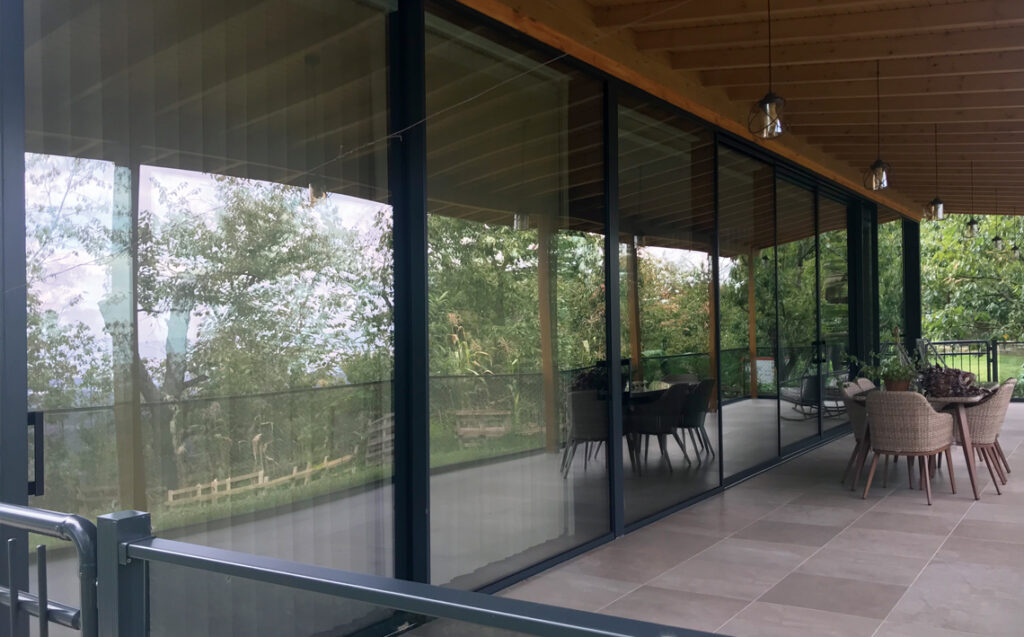
Introduction: Why Floor-to-Ceiling Windows Are Gaining Popularity Floor-to-ceiling windows have become a sought-after feature in modern architecture and interior design. Known for their impressive size and ability to enhance natural light, these windows have become a key design element in residential and commercial spaces alike. But what exactly are the advantages of floor-to-ceiling windows, and why are they so desirable? Maximizing Natural Light One of the most obvious benefits of floor-to-ceiling windows is the sheer amount of natural light they allow into a space. Large picture windows that stretch from the floor to the ceiling offer unobstructed views of the outside world, ensuring that your interiors are bathed in natural sunlight. Not only does this create a bright and airy atmosphere, but it can also help reduce the need for artificial lighting during the day, saving on energy costs. Uninterrupted Views and a Connection to the Outdoors Floor-to-ceiling windows blur the boundaries between indoor and outdoor living. Whether your home is surrounded by lush greenery, a breathtaking city skyline, or a serene body of water, these windows provide a panoramic view of your surroundings. This connection to nature can contribute to a sense of tranquility and well-being, making your living spaces feel more expansive and open. Enhanced Aesthetic Appeal The sleek and modern look of floor-to-ceiling windows can elevate the aesthetic of any room. With their clean lines and minimalistic design, these windows create an open, contemporary feel, complementing a variety of architectural styles. Their ability to allow an abundance of light to fill a room makes them ideal for creating a welcoming and stylish ambiance. Energy Efficiency and Cost Savings Though large windows may seem like a potential energy drain, modern advancements in window technology have made floor-to-ceiling windows more energy-efficient. Many of these windows are now equipped with double glazing, low-emissivity coatings, and other energy-saving features that help regulate indoor temperatures. As a result, these windows can help keep your home cooler in the summer and warmer in the winter, leading to lower heating and cooling costs. Creating a Sense of Spaciousness The expansive nature of floor-to-ceiling windows can make even small rooms feel more open and spacious. The flow of natural light combined with unobstructed views can make your living spaces feel larger and more inviting. Whether you have a cozy apartment or a sprawling home, incorporating floor-to-ceiling windows can help you make the most of your space. Privacy Considerations and Solutions While floor-to-ceiling windows offer numerous benefits, privacy can be a concern, especially in densely populated areas. However, there are several ways to maintain privacy while still enjoying the advantages of large windows. Consider using sheer curtains, frosted glass, or strategically placed outdoor landscaping to create a balance between openness and privacy. Conclusion: Are Floor-to-Ceiling Windows Right for You? If you’re looking to enhance the natural light, views, and aesthetic appeal of your home, floor-to-ceiling windows may be the perfect addition. While they come with their own set of considerations, such as privacy and maintenance, the advantages of these large windows far outweigh the drawbacks. Whether you’re designing a new home or renovating an existing space, floor-to-ceiling windows are a timeless design choice that can transform any room.  

Blog

Security Features in Modern Doors & Windows You Shouldn’t Ignore

When it comes to enhancing the safety of your home or office, security features in doors and windows are critical considerations. In modern construction, these features go beyond just aesthetic appeal; they are designed to provide maximum protection against intrusions, natural disasters, and accidents. Here’s why focusing on these features is so important, and which ones you shouldn’t overlook. Reinforced Frames: A Solid Foundation for Safety A door or window frame plays a significant role in securing your space. Reinforced frames, often made of steel or heavy-duty aluminum, offer superior strength compared to standard frames. They are harder to break or bend, making it more difficult for intruders to force their way inside. Why it matters: A strong frame prevents the window or door from being pried open, ensuring that the overall structure holds up under pressure. Impact-Resistant Glass: Shielding Your Home from Break-Ins One of the most effective security features in modern windows and doors is impact-resistant glass. This type of glass is specially treated to resist shattering upon impact. If an intruder attempts to break the glass, it won’t shatter easily, giving you time to respond or alert the authorities. Why it matters: This glass prevents burglars from gaining easy access and enhances the security of your property. Additionally, it can withstand extreme weather, protecting your home during storms. Smart Locks: Advanced Technology for Access Control Smart locks are revolutionizing home security by offering keyless entry and the ability to monitor and control access remotely. With features such as fingerprint scanning, facial recognition, or Bluetooth connectivity, smart locks make it much harder for unauthorized individuals to gain entry. Why it matters: They not only add convenience but also increase security by providing more advanced methods of authentication than traditional key-based locks. Multi-Point Locking Systems: Extra Security at Every Turn A multi-point locking system secures doors or windows at multiple points along the frame. This feature spreads the force of any attempted break-in across several points, making it significantly harder for intruders to breach. Why it matters: It provides added protection by distributing the force evenly, ensuring that no single point is weak enough to be targeted. Motion-Sensor Lights: Deterrent for Intruders Motion-sensor lights around windows and doors are a great deterrent against burglars. These lights are triggered by movement, illuminating the area immediately. An intruder who triggers the light is more likely to be spotted, increasing the chances of detection. Why it matters: Motion-sensor lights make it risky for criminals to approach your home unnoticed, effectively reducing the likelihood of break-ins. Security Window Bars: Simple Yet Effective Though they may not be aesthetically appealing, security window bars are one of the simplest yet most effective ways to prevent intrusions, especially in ground-level windows. They are sturdy and can be installed with locks to keep them secure. Why it matters: While they may look old-fashioned, these bars add an extra layer of protection against window break-ins and can be a lifesaver in emergency situations. Security Film: Strengthening Glass Without Replacing It Security film is a clear, durable layer that can be applied to existing windows. It enhances the glass’s resistance to breakage and holds the shattered pieces together if the glass is broken. This feature is especially useful for homeowners who want to upgrade their current windows without replacing them entirely. Why it matters: It provides an affordable upgrade to your windows, offering the same protection as impact-resistant glass but at a fraction of the cost. Conclusion: Prioritize Security Features for Peace of Mind When selecting doors and windows for your home or office, consider the security features that best meet your needs. From reinforced frames to advanced locking systems, these features not only enhance the safety of your property but also provide peace of mind. Investing in high-quality security features now can save you from potential threats and ensure your home remains safe for years to come. Takeaway: Always opt for windows and doors that combine both aesthetics and security, ensuring that your home looks beautiful while staying protected.

Blog

Make a Statement With Your Windows & Doors: Window Frame Colours Trend 2026

In 2026, window frame colours trend 2026 are evolving beyond basic neutrals to make bold statements in home design. Choosing the right colour for your window frames can completely transform the aesthetic of your home, enhancing both its curb appeal and interior style. This year, we are seeing a rise in daring shades and subtle hues, adding a touch of personality to windows and doors. Bold Shades in the Window Frame Colours Trend 2026 While white, black, and grey have long been staples in window frame design, 2026 brings in more vibrant choices. Bold shades like deep emerald green, rich navy blue, and earthy terracotta are gaining popularity. These colours bring a sense of warmth and uniqueness to your home. Not only do they create a striking visual appeal, but they also reflect a growing trend of using home exteriors as a canvas for personal expression. The Return of Earth Tones Alongside bold colours, earthy tones are making a comeback in window frame colours. Shades like muted browns, beige, and taupe are gaining traction, especially for homeowners who want a more natural, rustic feel. These tones blend seamlessly with both modern and traditional homes, offering a subtle elegance that never goes out of style. Contrasting Window Frames: The Power of Black and White In 2026, high contrast designs are continuing to dominate, with black window frames paired with white walls creating a timeless look. This bold contrast adds sophistication, bringing an element of drama to your windows. Whether you’re working with minimalist designs or rustic vibes, this combination can work wonders in making your windows stand out. Metal Window Frames: Sleek and Modern Another trend gaining momentum in 2026 is the use of metal frames. These frames, often seen in matte black, brushed gold, or silver, offer a sleek and modern aesthetic. Metal frames are not only durable but also have an industrial charm that pairs well with both contemporary and urban home designs. How to Choose the Right Colour for Your Home When choosing your window frame colour, it’s essential to consider the overall design of your home. Think about the existing exterior and interior elements, such as the colour of the walls, roof, and landscaping. A high contrast colour might be perfect for modern homes, while earth tones suit cottages and rustic homes better. Don’t be afraid to mix and match colours to find the perfect balance between boldness and harmony. Conclusion: The Future of Window Frames As we move into 2026, window frame colours are becoming more than just functional, they are an essential design feature that enhances the personality of a home. From bold and striking hues to soft, natural tones, there’s a wide variety of options to explore. By embracing these trends, you can make a statement with your windows and doors, creating a home that reflects your unique style and vision. Embrace these trends to make your windows and doors the focal point of your design!

Blog

How to Choose Windows That Maximize Natural Light in Your Home

When it comes to designing your dream home, maximizing natural light is key to creating a bright, airy, and inviting space. Choosing the right windows can make all the difference, whether you’re building a new home or renovating an existing one. In this guide, we’ll explore how to select windows that let the light flood in, turning your home into a warm and welcoming environment. Why Natural Light Matters Natural light not only enhances the aesthetic appeal of your home but also offers numerous health benefits. It can improve mood, increase productivity, and even help regulate your sleep patterns. By maximizing the amount of natural light that enters your home, you can create a healthier and more vibrant living space. Consider the Window Size One of the simplest ways to increase natural light is by selecting larger windows. Bigger windows, such as picture windows or sliding glass doors, allow for more sunlight to pour into your home. If you’re concerned about privacy, consider options like frosted glass or strategically placed curtains that let light in while maintaining privacy. Opt for Energy-Efficient Windows Energy-efficient windows are not only great for the environment but also help maintain a comfortable indoor climate. Look for windows with low-E (low emissivity) glass coatings that minimize heat loss and prevent UV rays from damaging your furniture. These windows maximize natural light without compromising on energy savings. Choose the Right Frame Materials The material of the window frame can influence both the light and the aesthetic of the room. Wooden frames offer a traditional, warm feel, while aluminum frames are sleek and modern. Consider the material based on the overall design of your home and how it will complement the amount of natural light you wish to bring in. Position Your Windows Strategically Think about where your windows are located in relation to the sun’s path throughout the day. South-facing windows tend to receive the most sunlight, especially during the winter months. However, east- and west-facing windows can bring in a beautiful glow during mornings and afternoons. Make sure to place windows in key areas of your home that will benefit from natural light the most. Use Window Treatments Wisely Window treatments such as blinds, shades, and curtains can either block or diffuse light. Choose light-colored, sheer fabrics to allow natural light to filter in, or use blinds that can be easily adjusted to control the amount of light in a room. Consider installing motorized window treatments for convenience and better control over sunlight. Integrate Skylights and Glass Doors Skylights and glass doors are excellent options for introducing natural light into rooms that may not have traditional window space. Skylights bring in light from above, illuminating spaces like kitchens and bathrooms. Glass doors leading to patios, gardens, or balconies can also open up a room to more natural light, creating a seamless connection with the outdoors. Maintain Clean Windows Lastly, no matter how good your windows are at letting light in, dirt and grime can block sunlight. Regularly cleaning your windows ensures maximum clarity and optimal light penetration. Consider using a window cleaning solution or hiring professionals for hard-to-reach areas to keep your windows sparkling clean. Conclusion: Embrace the Light When choosing windows to maximize natural light, remember that it’s not just about size, placement, materials, and even the type of glass all play a role in bringing the outdoors inside. By making thoughtful choices, you can design a home that feels bright, open, and welcoming, helping you enjoy the benefits of natural light every day. With these tips in mind, you’re well on your way to creating a home filled with light. Whether you’re remodeling an existing space or building from the ground up, the right windows can truly transform your living environment.  

Blog

How Sliding & Folding Doors Enhance Indoor, Outdoor Living

Introduction: Sliding and folding doors have rapidly become a popular feature in modern homes, offering an innovative way to enhance indoor–outdoor living. These doors don’t just serve as functional entry points; they also contribute significantly to the overall aesthetic and lifestyle of your home. In this article, we’ll explore the key benefits of sliding and folding doors and why they might be the perfect addition to your living space. Seamless Connection Between Indoors and Outdoors One of the most compelling reasons for choosing sliding and folding doors is their ability to create a seamless connection between your indoor and outdoor spaces. With the ability to open up large sections of a wall, these doors allow natural light to flood your living room, kitchen, or any space that transitions into your garden, patio, or balcony. Transitioning into a more open layout can transform your daily life, making it feel as though your home is expanding. Maximizing Natural Light and Airflow Another major benefit of sliding and folding doors is their ability to increase the amount of natural light that enters your home. By eliminating the barriers that traditional doors impose, you’re left with uninterrupted views and the chance to let in fresh air when desired. Whether you’re lounging indoors or hosting a gathering, the abundant natural light creates a warm, inviting atmosphere. Enhanced Space and Flexibility Sliding and folding doors are perfect for maximizing the space in smaller homes or apartments. When fully opened, they allow you to transform one room into an open, expansive area that merges with your outdoor patio or garden. This flexibility is particularly useful when you want to entertain guests or enjoy an evening meal while taking in the fresh air. This feature also allows for easy customization of your living space based on your needs, whether it’s for relaxing, dining, or socializing. Increased Home Value and Appeal Not only are sliding and folding doors an aesthetic choice, but they also add value to your property. Potential buyers are often attracted to homes with these doors because of their modern design and the lifestyle benefits they offer. By investing in high-quality, energy-efficient models, you can make your home more appealing to future buyers. Incorporating these doors into your design plans can elevate both the functionality and visual appeal of your home. Better Accessibility and Safety Sliding and folding doors offer easy access to outdoor areas, which is particularly beneficial for families with children or elderly individuals. Their smooth operation makes it simple for anyone to open or close the door without strain. Additionally, modern models come with safety features like multi-point locking systems to ensure your home remains secure. As a bonus, these doors can be equipped with screens to keep insects out while letting in a fresh breeze. Conclusion: Incorporating sliding and folding doors into your home isn’t just about improving its look, it’s about enhancing your lifestyle. From maximizing natural light to offering easy access between indoor and outdoor spaces, these doors are a functional design element that can transform your living experience. Whether you’re entertaining or just enjoying the tranquility of your garden, sliding and folding doors provide an unbeatable connection between the comforts of home and the beauty of nature.  

Blog

Comparing Thermal Break vs Standard Frames: Benefits Explained

When it comes to choosing windows for your home or business, one crucial decision revolves around the type of frame you select. Among the most discussed options are thermal break frames and standard frames. While both serve the same purpose of holding the glass in place, their features and benefits differ significantly. In this guide, we’ll compare thermal break windows vs. standard frames, focusing on how each impacts energy efficiency, comfort, and long-term savings. What is a Thermal Break Frame? A thermal break frame is designed with a barrier material inserted between the inner and outer sections of the frame. This insulating material, often made from plastic or rubber, reduces the transfer of heat or cold between the two sides. As a result, thermal break windows prevent heat loss in the winter and keep the interior cool during the summer. What is a Standard Frame? In contrast, a standard frame typically uses metal, which does not offer the same insulation properties as thermal break frames. Standard frames can conduct heat and cold more easily, which might lead to temperature fluctuations inside your space. While less expensive, they can be less energy-efficient than thermal break frames. Key Benefits of Thermal Break Windows Improved Energy Efficiency: Thermal break frames are excellent at reducing heat transfer. This leads to lower energy consumption and can significantly reduce your heating and cooling costs. In contrast, standard frames, especially metal ones, allow for higher energy loss, requiring more energy to maintain your home’s temperature. Enhanced Comfort: Since thermal break frames reduce temperature variations inside your home, they create a more consistent and comfortable environment. With standard frames, you’re likely to experience drafts and fluctuations in temperature, which can be uncomfortable. Reduced Condensation: Another major advantage of thermal break frames is their ability to prevent condensation on windows. Since these frames prevent the cold from reaching the interior surface, the risk of condensation is minimized. Standard frames, on the other hand, often experience condensation, leading to potential mold growth or damage to window sills. Better Sound Insulation: Thermal break frames also provide an additional layer of insulation against outside noise, making them ideal for urban areas or noisy environments. Standard frames, being less effective in blocking noise, may not offer the same level of soundproofing. Benefits of Standard Frames Lower Initial Cost: Standard frames are generally more affordable upfront than thermal break frames. If you’re on a tight budget, this might seem like an appealing option. Durability: Standard frames, especially those made of metal, are often more durable and less prone to wear and tear. They are less likely to expand or contract with temperature changes, making them more stable in certain conditions. Simpler Construction: With fewer materials involved in the construction of standard frames, they are simpler to manufacture. This can lead to quicker installation and, in some cases, easier maintenance. Conclusion: Which is the Best Choice for You? Ultimately, the choice between thermal break windows vs standard frames comes down to your priorities. If you’re looking for long-term energy savings, enhanced comfort, and improved performance, thermal break frames are the superior option. However, if your budget is tight and you’re seeking a simple, durable solution, standard frames may meet your needs. By understanding the differences and benefits of each, you can make an informed decision that suits your home’s needs and your personal preferences.  

Scroll to Top

What's your role?

How can we contact you?